

Owning a pet in Australia goes beyond vet bills — it’s an ongoing financial commitment that’s becoming increasingly significant. With living expenses climbing, having a furry friend, especially a popular breed, can feel more like a luxury than a necessity.
If you’re thinking about getting a cat or dog, whether through adoption or buying, it’s important to know what it really takes to care for them properly. Here’s an overview of how much that can cost according to Animal Medicines Australia (AMA):
- Dogs: average spend of $2,520 annually (per household).
- Cats: average spend of $1,656 annual (per household).
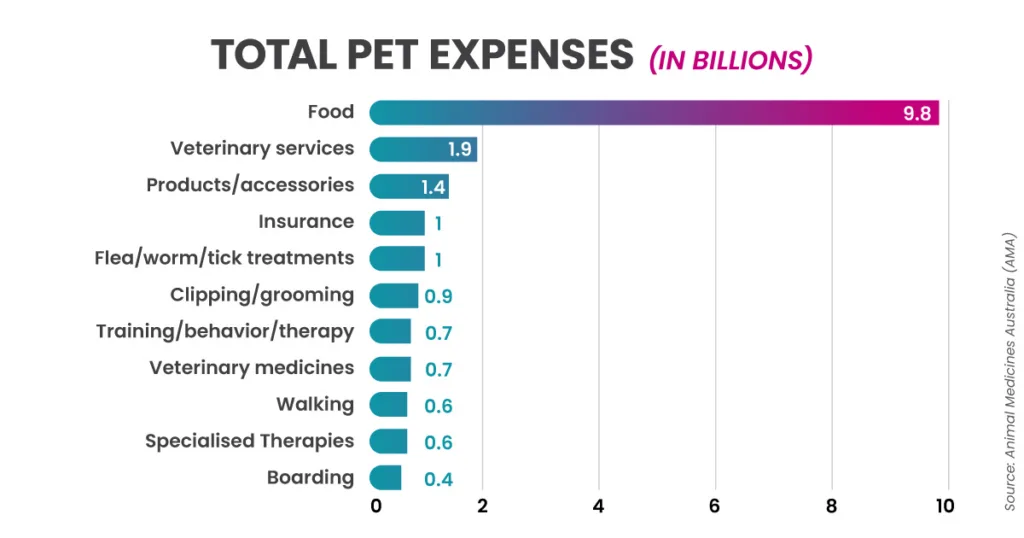
The good news is there are ways to keep costs down without cutting corners on your pet’s health and happiness. In this blog, we’ll break down average vet costs in Australia and share practical tips to help you manage those expenses.Think vet services are the biggest expense? A 2025 AMA survey showed that Australians spend over $21 billion annually on their pets, with food making up nearly half of that amount! And Pet Insurance only comes in fourth place.
How much does vet care cost in Australia?
Regular vet check-ups are just one part of keeping your pet happy and healthy. But what happens when your pet gets sick?
Of course, the actual treatment amounts depend on your pet’s age, size, breed, and overall health, but it’s clear that being a pet parent comes with real financial responsibility.
Here are a few examples of how costs of treatments for emergency or specialty procedures can vary:
| Treatment | Average Cost | High End of Range |
| Foreign object ingestion (with surgery) | $5,000 | $41,000 |
| Cancer or tumor treatments | $2,000 – $4,000 | $30,000 |
| Cruciate ligament repair (e.g. TPLO surgery) | $3,000 – $6,000 | $10,000 |
The good news is that Aussie vets are now better equipped than ever, with the tools and expertise to handle even the most complicated cases and give our furry friends the best possible care.
Veterinary care in Australia has come a long way — with modern technology and advanced treatments helping pets live healthier, happier lives. The flip side? Such quality care can cost more at vet clinics.


Are designer breeds more expensive to treat at the vet?
According to AMA, Pet Insurance costs aren’t so different across dog breeds. However, designer breeds do tend to have more vet visits.
In the past year, designer breeds were much more likely to have insurance claims for surgery (34% of designer breeds vs. 10% for other dogs). Surgery claims were even higher than claims for consultations or general illness, which are usually the most common.
Designer breeds also had more claims for diagnostic tests (22% vs. 6%), suggesting their owners may take a more proactive approach to their pet’s healthcare.
These insights reflect general trends only and may not apply to individual pets.
7 ways to manage vet costs as a pet-owner in Australia
While the costs of emergency vet care and unexpected medical bills can add up, there are practical steps you can take to help manage these expenses and avoid unwanted surprises.
Whether you’re planning ahead or handling an emergency, having a strategy can make all the difference for your pet—and your wallet. Here are some smart ways Australian pet-owners can manage vet costs while still giving their furry companions the best possible care.
1. Understand vet costs in your area
Figure out what kind of regular and annual vet care your pet cat or dog needs by paying the vet a visit.
A complete health check-up will give you a full picture of your pet’s current state of health and how to maintain or improve it. Remember that vet expenses include dental care, parasite control, and even therapy if needed.
💡 Regional cost variations: It’s important to note that veterinary costs can vary significantly across Australia. Urban centres often have higher veterinary fees compared to rural areas, reflecting the varying overheads and operational costs.
2. Prioritise preventive care
Investing in regular veterinary visits for your pet can prevent serious health issues and detect problems early. These preventive measures are not only vital for your pet’s health but can also be cost-effective in the long run by avoiding the need for more expensive, emergency treatments.
🩺 Pet Vaccinations and Parasite Control: In the unique Australian environment, preventive care such as vaccinations and treatments for fleas, ticks, and worms is particularly crucial.
These steps can safeguard your pet from common yet preventable diseases, saving you from future costly treatments. Knose offers Pet Care Plans, separate from Pet Insurance, that can also help pet owners prioritise preventative care.
3. Budget wisely for pet healthcare
One of the most effective strategies for managing vet costs is to allocate a portion of your monthly budget specifically for pet care and vet expenses. This can include setting aside funds for routine check-ups, vaccinations, and any ongoing treatments your pet may require.
💵 Creating an emergency fund : Unexpected pet emergencies can happen at any time, and being financially prepared is essential.
An emergency fund dedicated to your pet’s potential urgent care needs can mitigate the stress and financial impact of these situations.
This is recommended for pet-owners who aren’t ready to invest in Pet Insurance.
4. Prepare for emergency expenses
Understanding common pet emergencies in Australia and knowing the signs can help you act swiftly and potentially reduce the severity and cost of these incidents.
Here are some of the top conditions that require emergency vet care:
- Major injuries like a fracture or open, bleeding wounds (especially if you can’t control the flow of blood)
- Difficulty breathing or choking
- Loss of consciousness
- Extreme lethargy
- Severe, persistent vomiting or diarrhoea
- Difficulty going to the toilet
- Swollen abdomen
- Unexpected seizures (prolonged for more than 5 mins or clustered)
💲Exploring payment options: Some veterinary clinics offer payment plans or credit options. Familiarise yourself with these options beforehand to ensure you can make quick decisions in an emergency.

5. Insure your pet early
Pet Insurance is designed to cover vet costs of eligible illnesses and injuries. Usually, this means pre-existing symptoms and conditions are excluded from cover. By insuring your pet early, more illnesses and injuries may be covered.
What’s the difference between insuring your pet early and later? Imagine two families, both bringing home a playful puppy:
Amelia gets pet insurance right away, while her friend Nathan decides to wait until his pup is older.
A few months later, Amelia’s puppy injures his leg while playing at the park. Thanks to her early insurance, most of the vet bills are covered, saving her hundreds of dollars.
Meanwhile, Nathan tries to get insurance after he spots some health issues in his own puppy. But since the problems started before he took out a policy, they’re excluded as “Pre-Existing Symptoms and Conditions”—meaning Nathan has to pay for all treatment out of pocket.
The takeaway? Waiting until later to insure your pet can leave you with less coverage and more costs if something serious happens before your policy kicks in.
📝 Understanding pet insurance policy details: It’s crucial to read the fine print of any pet insurance policy. Look for information on pet insurance coverage limits, exclusion or waiting periods, exclusions, and sub-limits to ensure the policy meets your expectations and your pet’s needs.
6. Seek financial support if needed
Various charities and non-profit organisations in Australia offer assistance for pet healthcare to owners facing financial hardships. Research these programs in advance, so you know where to turn if you need help.
Pay It Paw-Ward provides financial assistance to older people, people with disabilities, or others who cannot afford to pay for vet expenses.
Pets of the Homeless helps keep people and their pets together by providing essential services like pet food banks, veterinary care, and emergency boarding.
💬 Open dialogue with your vet: Your vet is your partner in your pet’s health. If financial constraints arise, discuss them openly with your vet. They may offer suggestions for cheaper treatment alternatives or payment plans to ensure your pet receives the necessary care.
7. Engage with your local pet community
Many communities have resources for pet owners, including affordable vet clinics, vaccination drives, and spay/neuter programs. Engaging with local pet owner groups and forums can also provide tips and insights on managing vet costs.
📓Educational workshops and events: Keep an eye out for workshops or events hosted by veterinary clinics or pet care organisations. These can be valuable sources of information on pet health, preventive care tips, and financial planning for pet care.
Knose members have hotline access to round the clock vet nurse support for general pet health questions, helping them save on time and appointments!

Quality pet care is worth it
While veterinary care is an important part of responsible pet ownership, there are strategies to manage the expenses without compromising on the quality of care.
We encourage pet owners to explore further resources on pet health, vet care, and pet insurance options available through the Knose blog.
By understanding vet costs, being more proactive about your pet’s health, and making informed healthcare decisions, Australians can help their pets lead healthy, happy lives.
At the end of the day, the joy we get from our furry family members is worth every dollar.
Disclaimer: Terms, conditions, limits, and exclusions apply. See the Product Disclosure Statement (PDS) and Target Market Determination (TMD) at knose.com.au. Distributor – Knose.com.au Pty Ltd (ABN 70 680 822 986, AR 1311940), AFSL holder – ThePetInsuranceCompany.com.au Pty Ltd (ABN 38 620 795 735, AFSL 536651). Insurer – Pacific International Insurance Pty Ltd (ABN 83 169 311 193, AFSL 523921). Any advice is general only and does not take into account your objectives, financial situation, or needs.
