
Grooming your dog isn’t just about keeping them looking their best — it’s an important part of their comfort and overall well-being. Regular grooming helps keep their skin and coat healthy, reduces mats and tangles, and gives you a great chance to bond with your furry mate.
Whether you’re giving your dog a quick brush, a bath, or a full grooming session, understanding their coat type and what it needs will make the process easier for both of you.
1. Dog Coat Types & Grooming Routines
The first step in ensuring that your dog looks healthy is knowing their coat type. Start by checking how often they shed, how their fur feels, and whether they’ve got a soft, woolly, or cotton-like undercoat hiding underneath.
Single vs. Double Coats
Single-coated dogs, like Poodles, Greyhounds, and Chihuahuas, undergo minimal shedding. While they do lose some hair, it usually happens gradually throughout the year rather than in coat drops like those for double-coated breeds. They require less grooming attention from their owners, with just frequent brushing and regular trims needed to maintain their coats.
If your pet has a soft undercoat and a protective coat on top of it, they’re double-coated. Double-coated dogs, like Golden Retrievers, German Shepherds, and Siberian Huskies, need more consistent brushing and coat maintenance, and de-shedding from time to time.
Curly vs Hairless Breeds
Dog coats may also differ according to fur thickness, or lack thereof. Both silky and curly coats need everyday brushing to remain tangle-free. Curly-haired dogs like Poodles and Bichon Frisé are usually friends with a slicker brush and metal combs, as these make their curls more manageable. Silky-coated dogs, including the Maltese and Shih Tzus, can make do with just a gentle pin brush.
Dogs with wiry coats – the Jack Russell Terrier and Wire Fox Terrier – need a little bit more attention as they require hand-stripping to maintain their texture. A stripping knife is also essential in keeping their coats neat and comfy.
Meanwhile, hairless breeds like the Chinese Crested or Xolo don’t require any brushing, but they do need to be kept moisturised instead. The absence of hair also makes them prone to burning, so make sure that your cabinets are stocked with skin-safe moisturisers to keep them feeling soft and protected.
Dog Coat Types and Brushes
Brushes are your best partners in keeping your dogs well-groomed, but just like people, there are specific brushes for each dog’s hair type.
Dog brush types at a glance:
- Slicker brushes: Great for curly, fluffy or dense coats.
- Pin brushes: Ideal for silky, long coats.
- Bristle brushes: Best for short, smooth coats.
- Undercoat rakes: Important for double-coated dogs during shedding seasons.
- Metal combs: A good finishing tool for all breeds, especially for sensitive spots like behind the ears.
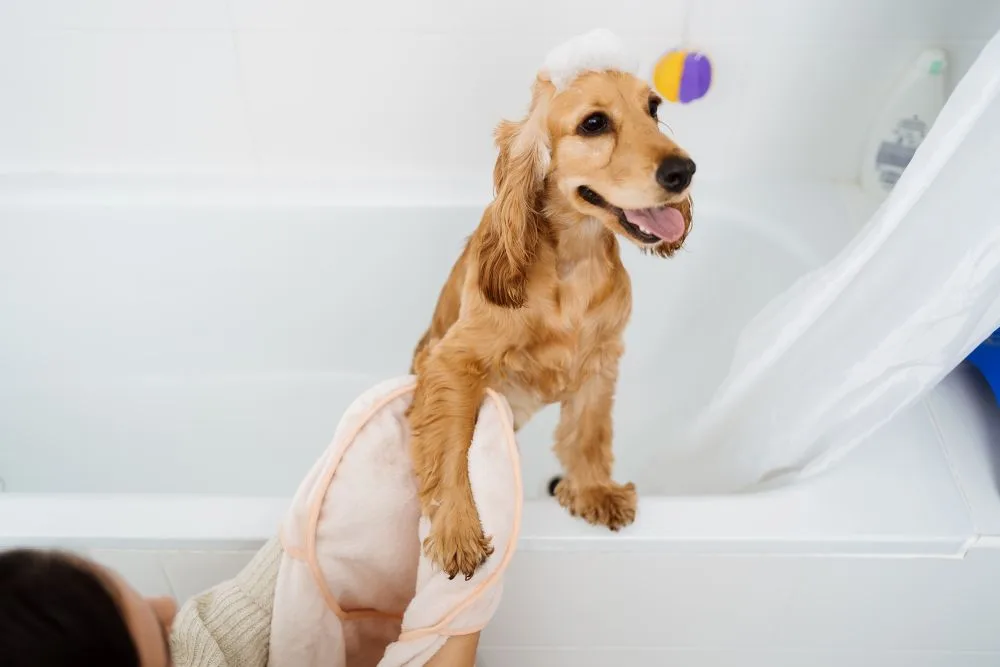
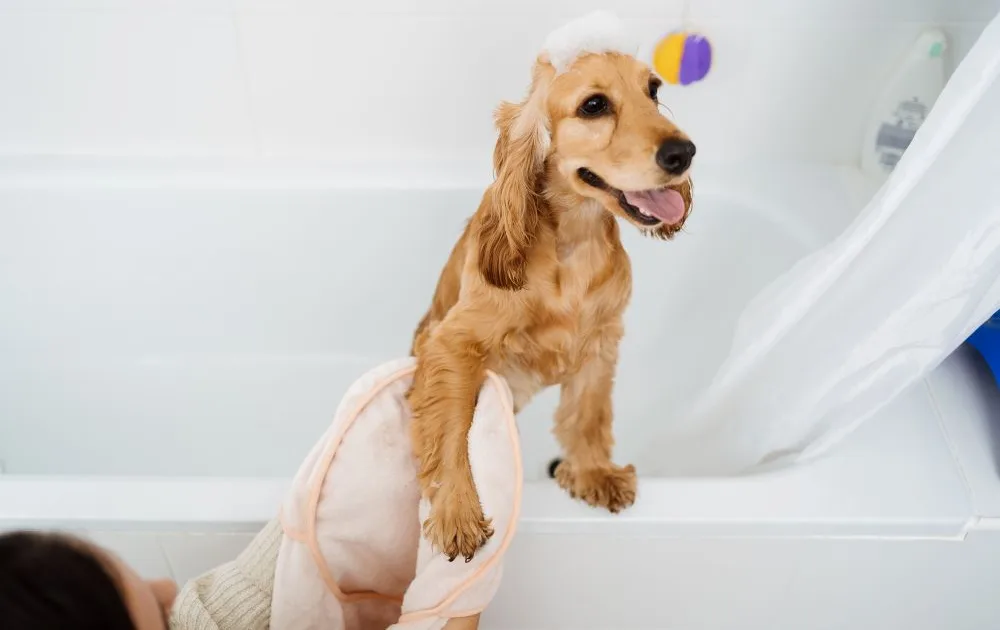
2. Bathing Dogs
Having a grooming routine in place can help dog baths feel easier and even enjoyable for both. It may seem like a small deal but it’s an important part of keeping your dog’s fur and skin healthy.
How Often Should You Bathe Your Dogs?
Like most things in dog grooming, your dog’s coat type and skin condition affect their bathing frequency.
To help minimise oil buildup, dogs with oily coats may need a bath every 1-2 weeks. Those with curly or silky coats can usually go 3-4 weeks between baths, just enough time to stay fresh without drying out their skin. For double-coated breeds, bathing every 1-2 months is ideal to avoid stripping their coats of their natural oils.
If there are any allergies or skin issues found at any point, even just shortly after their bath, immediately seek your veterinarian’s guidance.
Dog Shampoo Types
Nowadays, there are a lot of dog shampoos in the market offering different benefits. It helps to choose one that best fits your dog’s skin needs.
Hypoallergenic shampoos are perfect for sensitive skin, while oatmeal shampoos are best to soothe itchiness and add moisture for dry or flaky skin. Medicated shampoos are best for targeted conditions like infections or allergies, but consult your vet first.
For young pups, always go for puppy-safe formulas that are extra mild and tear-free to keep bath time gentle and stress-free.
Dog Bathing Tips
When bathing, stick to lukewarm water for your dog’s comfort. Rinse thoroughly to avoid leaving any unwanted shampoo behind, but avoid overbathing as frequent washing can remove natural oils and lead to dryness.
Finally, always check product labels! Steer clear of parabens, sulfates, and other toxic ingredients.
3. Drying & Dematting Dog Fur
After a bath, another important step in keeping your dog’s coat healthy is proper drying. Keep their tangles at bay to maintain that healthy, fabulous look!
Remember the difference between de-shedding, which focuses more on removing loose undercoat before it falls out on its own and dematting, which deals with knots and tangles that have already formed in the dog coat.
Drying Options
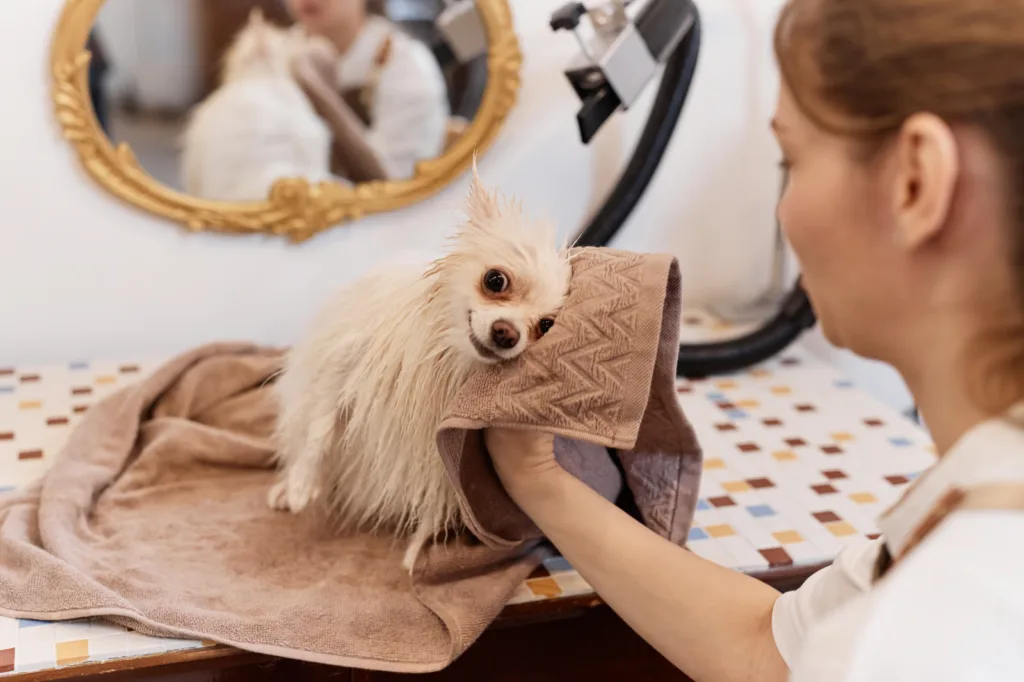
Towel drying is among the commonly used drying methods, and for all the right reasons. It’s easy, cheap, and effective. But refrain from vigorous rubbing to avoid mats from forming. Instead of rubbing, blot and gently squeeze their coats using a towel.
If you have time to spare, you can just let your dog’s coat dry on its own. Air drying works wonders for dogs with short coats. It’s also low-effort, gentle, and guaranteed safe from tangles caused by friction. Just make sure that your pup won’t roll around outdoors, to prevent dirt from sticking to their fur.
Dogs with thicker or curlier coats will need tools to dry their fur. Dog dryers help prevent moisture from getting trapped in the deeper layer of the coat, reducing the risk of mats and skin irritation. If you’re using your own hair dryer, make sure to use it in a low-heat or cool setting for your dog.
How to Prevent Mats
To prevent tangles, it is important to brush both before and after baths. Brushing prior to bathing helps remove small knots that could possibly tighten during washing. Brushing after bath ensures the coat dries smoothly, and prevents them from clumping together into mats.
Making sure your dog dries thoroughly also helps prevent mats. Damp fur is where mats can easily form, especially in dense or curly coats. After air-drying or towel-drying, you may use a dog dryer to help dry out hidden moisture.
Regular trimming in high-friction areas can also help prevent mats. The usual spots are behind the ears, under the armpits, around the collar line, and along the inner thighs. Keeping these areas neatly trimmed not only prevents matting, but also makes home maintenance much easier.
4. Dog Nail Care
Nail care is not just about making your dogs look tidy; it’s also about ensuring that they can walk and move around comfortably. It’s vital to know how short is too short, what tools to use, and how often to trim nails.
When, How, and Where to Cut Nails
When cutting dog nails, always watch for the quick, or the pink area inside the nail that contains nerves and blood vessels. Stop trimming when you reach just before the quick, never into it. For dark nails, take small snips at a time, checking frequently.
Tiny dogs must have their nails cut every 2-4 weeks, while active dogs can make do for 4-6 weeks. As a rule of thumb, it’s already time for a trim if you hear their nails clicking on the floor.
For nail care tools, you can use either trimmers or grinders.
- Trimmers – quicker and efficient, but require a steady hand to avoid cutting too far
- Grinders – known for smooth, rounded edges, and more suitable for noise-sensitive dogs; choose one with a quiet and low setting
In Case of Accidents
Even with the best technique, accidents can happen. If you ever accidentally nick their paw, immediately apply styptic powder to stop the bleeding, then hold some gentle pressure for a few seconds. Lastly, offer some comfort and treats to reassure your pet.
5. Dog Ear & Eye Care
It’s important to check your dog’s ears regularly in case of ticks, bacteria, and common outdoor culprits like foxtails.
How to Clean Dog Ears Safely
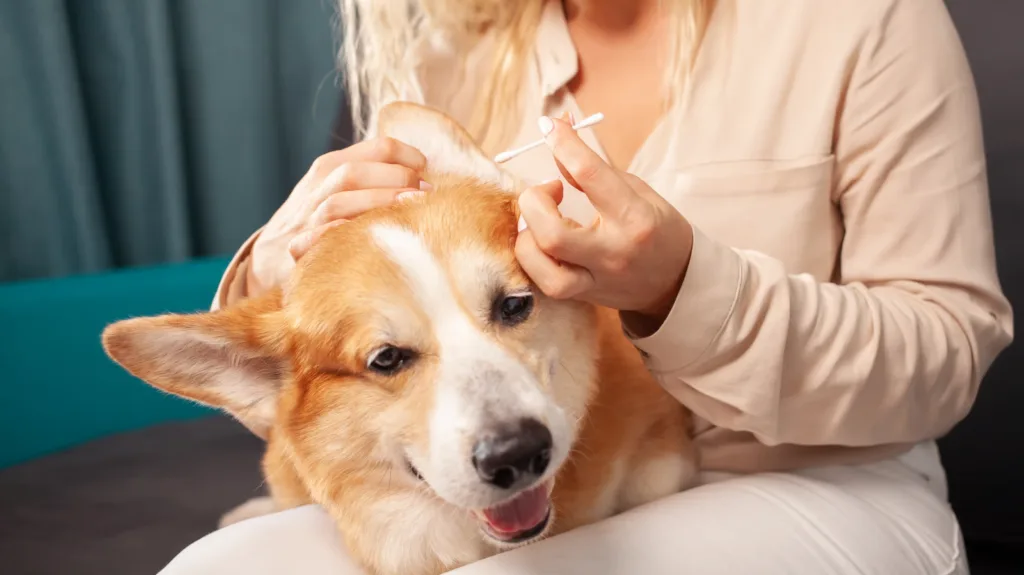
You can use a damp cloth, preferably with a soft texture, to remove dirt and potential irritants. For deep-cleaning, it’s recommended to use a dog-friendly cleaning solution. Remember: you should never use or insert objects, such as a Q-tip, to avoid damaging their eardrums.
If you have a water-loving dog, you should pay more attention to having fur stuck in their ears. Dogs that frequently swim and naturally have more ear hair need extra cleaning and ear care.
To know whether it’s time to visit the vet for an ear infection, be wary of any case where you notice your dog’s ears:
- Swelling
- Becoming unusually red
- Having an odour and/or discharge
- Causing discomfort and scratching
💡What’s the difference between a yeast and a bacterial infection? A yeast infection typically causes the ear to smell and presents as a darker brown discharge. Meanwhile, bacterial infections are often characterised by a light brown or yellow colour.
Dogs with large and long ears have a higher risk of getting ear infections due to the development of moisture and bacterial growth.
Tear Stains
Like humans, dogs can develop stains and mucus in their eyes, and they need daily attention to maintain a healthy eye environment, free from irritants. To clean, you should use a damp cloth, a dog-friendly wash, and a pair of scissors.
Tear stains and mucus can be gently removed with a wet cloth or cotton ball. Avoid using solutions with strong chemicals as they could irritate the dog’s eyes.
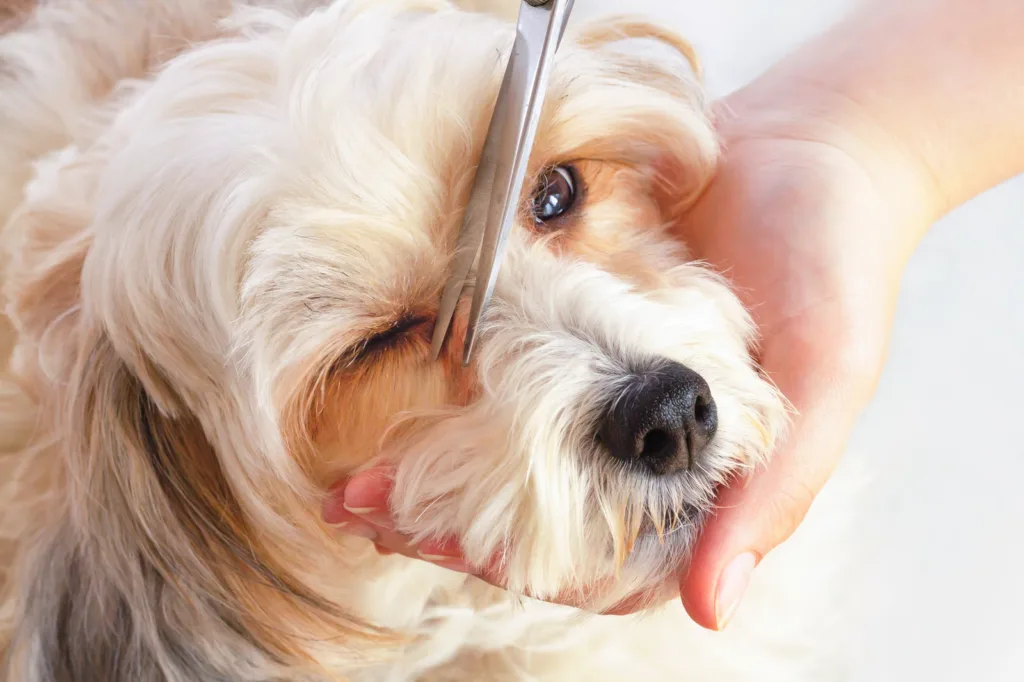
Long facial hair in dogs can also irritate the cornea and cause irritation. Keeping their fur trimmed protects their eyes from getting damaged.
6. Dog Dental Care
To prevent plaque and tartar buildup, your dog’s teeth require consistent care. It should be a combination of home maintenance and veterinary care, because like humans, poor dental care can lead to bad breath and other health issues.
Never ignore these symptoms of dental disease:
- Persistent bad breath
- Unusual and excessive drooling
- Difficulty chewing
- Frequent pawing at the mouth or face
- Gum inflammation
- Broken or missing teeth
- Irritability
Proper dental care helps prevent these conditions, stops harmful bacteria from spreading to vital organs, and supports your dog’s overall health. Good dental habits can also improve your pet’s quality of life!
Dental Tools & Practices
Brushing is the foundation of at-home dental care that can help maintain your dog’s oral health. Always use a dog toothbrush and toothpaste, as human toothpaste contains fluoride, which can be toxic to dogs if swallowed.
Finger brushes are also a good option, especially for anxious dogs. It can provide comfort and relaxation while gently cleaning your pet’s teeth.
Dental wipes are good for cleaning their mouth, teeth, and gums. They’re useful in removing bacteria and food residues, but cannot be used for deep cleaning.
You can also include supplements in their meals that may help reduce or soften existing plaque buildup.
Boosting Your Pet’s Protection
If your dog shows the symptoms of dental disease, do not hesitate to take action. Some comprehensive pet insurance plans provide optional benefits that cover dental illness. These plans usually include gingivitis, periodontal disease, and tooth extraction.
Skin & Coat Health
To help your fur babies achieve glowing, beautiful skin, they will need proper nutrition, regular grooming, and a healthy lifestyle.
Dogs need vitamins and a balanced diet to achieve healthy skin and a healthy coat. Routine brushing also helps prevent common coat issues by removing loose hair, reducing tangles, and distributing natural oils.
Your dogs can experience several skin and coat problems, including allergies, parasites, infections, and dry skin. Many of these issues are preventable and can be detected early.
Watch out for symptoms like excessive licking, inflammation, and redness of the skin. When these symptoms occur, see a vet for proper treatment.
Pet-safe supplements may help improve your dog’s coat and skin condition when used with vet guidance. Depending on the key ingredients, supplements can support your dog’s immune system and skin repair, promote cell growth, and reduce coat shedding and itching.
- Omega-3s improve skin and coat health and boosts the immune system.
- Vitamin E is a powerful antioxidant that protects against cell damage and improves skin and coat health.
- Skin Support supplements aid in reducing itching and skin dryness.
7. Dog Grooming Schedule
Maintaining a grooming routine is essential for your dog’s overall well-being. Considering your dog’s grooming needs improves hygiene and well-being, preventing skin issues, parasites, painful nail overgrowth, and infections. Here’s our recommendation:
Weekly Dog Grooming Tasks
- Teeth Cleaning
- Coat Brushing
- Eye Wiping
- Ear Checking
Seasonal Dog Grooming Tasks
- Full ear cleaning
- De-shedding for double-coated dogs
For a consistent grooming schedule, setting reminders on your phone or calendar can help ensure that your dog care schedule is followed and maintained.
Extra Care after a Swim or Hike
Checking your dogs after hiking or swimming ensures that no dirt or debris gets stuck in their fur. Rinsing them off can also help remove harmful residues from pools or beaches.
FAQs about Dog Grooming
- How often should I bathe my dog?
Dogs with oily coats may need a bath every 1-2 weeks, while curly or silky-coated dogs can have their bath every 3-4 weeks. Double-coated breeds should be bathed less often—about every 1-2 months—to protect their natural oils.
- What are the must‑have grooming tools for beginners?
A slicker brush, comb, nail trimmer, dog shampoo and conditioner, and a microfiber towel are essential grooming tools for beginners.
- What’s the safest way to cut dog nails at home?
To safely cut your dog’s nail at home, use pet-safe clippers and cut only the tip. Avoid the quick, the pink area inside the nail that contains nerves and blood vessels.
- How do I stop my dog from being scared of the dryer?
When using a dog dryer, always use the low cool settings to make it comfortable for them. You may also reward them with treats and praises.
- Is it okay to shave a double‑coated dog?
Do not shave a double-coated dog. Shaving can permanently damage the coat and can cause skin problems. Instead, maintain their glorious coat by proper brushing and de-shedding.
- How do I clean my dog’s ears without causing irritation?
When cleaning your dog’s ears, avoid using cotton swabs that might push debris deeper into the ear canal. Start from outside, and work your way inside, but only as far as your dog is comfortable.
- What’s the best brush for my dog’s coat type?
Use a rubber or bristle brush for short coats. For medium coats, a slicker brush or pin brush is a good choice. For long coats, choose a pin brush. An undercoat rake or slicker brush works well for double coats.
- How can I reduce shedding between grooming sessions?
To reduce shedding, you need to regularly brush your dog’s coat. Use de-shedding tools to avoid mats. Of course, proper nutrition is essential for your dog’s overall health as well.
- When should I see a professional groomer instead of DIY?
You should see a professional groomer every 4 to 6 weeks for most dogs, but this frequency depends on the dog’s breed, coat type, and lifestyle.
- What are the signs my dog has a skin issue that needs a vet?
Redness of skin, excessive scratching, and licking his/her paws are signs that your dog may have skin issues. Consult your vet right away.
Dog Grooming Made Easy
Having the right grooming routine can be an easy way to keep your dog healthy and happy. It starts with knowing your dog’s coat type and grooming needs.
To make grooming easier, Knose Pet Insurance offers pet care plans that include parasite protection, along with an allowance that can be used for grooming expenses when needed. Plan holders also have the option to include dental coverage for eligible pets. With these offers, you can focus on keeping your dog looking great without worrying about surprise costs!
