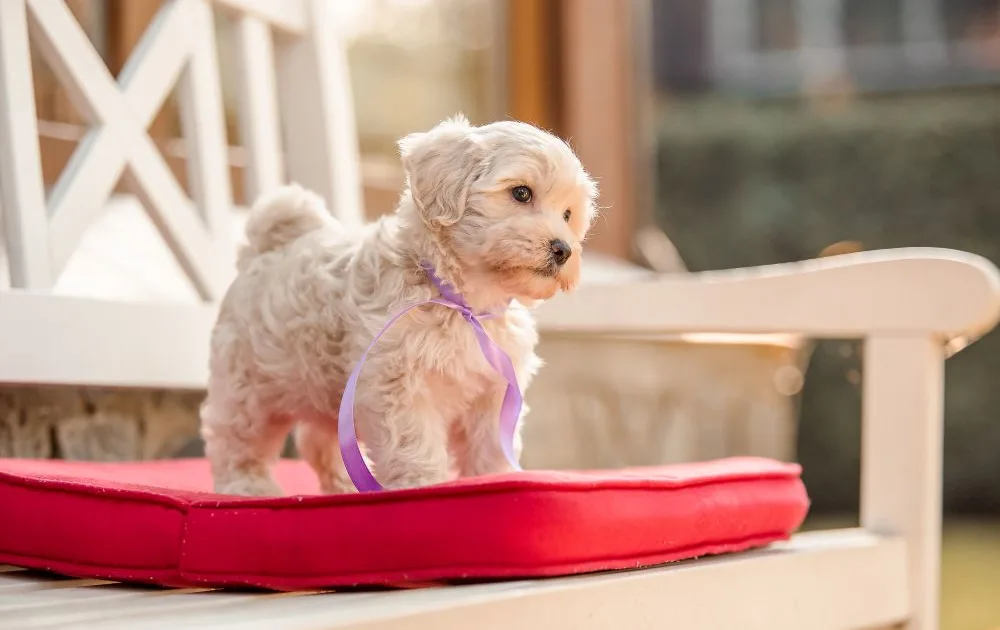

You’ve brought your puppy home, and now, you can’t wait to show them the world. But when is it actually safe to start puppy socialisation?
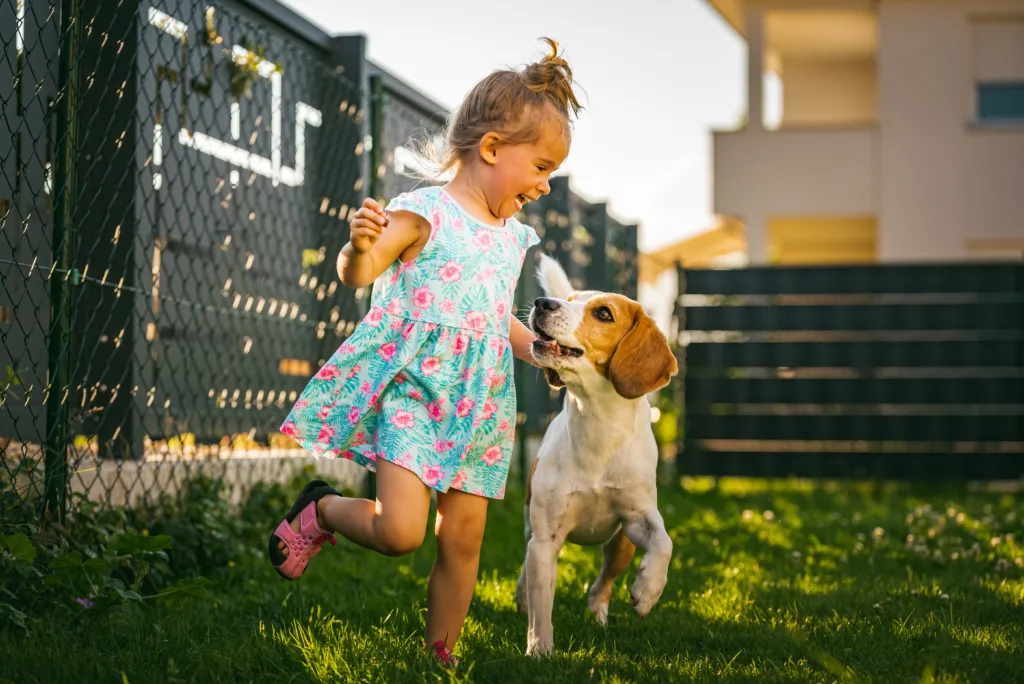
One of the most common questions new dog owners ask is when they can safely start introducing their puppy to other dogs, people, and new environments — especially before vaccinations are complete.
Why is early puppy socialisation important?
Between 3 and 16 weeks of age, puppies are in a crucial stage of development. During this time, their brains are rapidly forming connections, and early experiences can have a lasting impact on their behaviour and temperament.
This period is also when their sociability outweighs fear, marking a window of opportunity for puppy socialisation. Being exposed to new people, animals, and different environments will help reduce the risk of anxiety and aggression as they grow.
The American Veterinary Society of Animal Behavior believes that fur parents should take every safe opportunity to expose puppies to various types of stimuli to improve their training and social skills, as well as strengthen the human-animal bond.
While maternal antibodies and early vaccinations help keep infection risk relatively low, missing early socialisation carries a much greater risk of long-term behavioural issues.
What is the standard puppy vaccination schedule in Australia?
In Australia, vaccination schedule for pets is recommended to be given following specific time intervals. However, vaccination schedules can still differ based on each patient’s requirements and situation, as well as the manufacturer’s specific recommendations.
For instance, the Australian Veterinary Association (AVA) advises fur parents to vaccinate puppies every two weeks until they reach 16-20 weeks of age. But each pet’s needs may vary from these general guidelines:
- 6-8 weeks: first vaccination for distemper, hepatitis, and parvovirus
- 10-12 weeks: booster vaccination for distemper, hepatitis, parvovirus, parainfluenza, and bordetella
- 14-16 weeks: final puppy vaccination for distemper, hepatitis, parvovirus, parainfluenza, and bordetella
Always consult your veterinarian for a vaccination plan tailored to your puppy. It’s also worth noting that there are additional vaccinations available for leptospirosis and some other illnesses – have a chat to your vet for more information!
When can my puppy go outside?
Thinking about socialising your puppy before full vaccination? Here are some considerations to help ensure a safe and memorable experience.
Before Vaccinations
Before your puppy gets their first vaccination at around 6-8 weeks, they should stay safe at home. Refrain from exposing them to public ground, as they are most prone to viruses like Parvovirus.
After the first vaccination
Once your puppy gets their first core vaccines, they may be able to play with other fully-vaccinated dogs (always check with your vet first!). Avoid putting them down, though – even if they are on leash! Carry them in your arms instead. If your vet recommends, your pet can be ready for puppy school!
After the second vaccination
After they get their second vaccination at 10-12 weeks old, your pets can already join you in short walks in low-risk areas (again, pending vet-approval!). Stay away from dog parks and other high-traffic dog areas though, as the sheer volume of dogs in these places can overwhelm your pups and put them at risk.
After the final vaccination
Dogs are considered fully protected two weeks after their final vaccination. At this time, they can already walk in public and in dog parks. However, it’s still important to practice caution, as some contagious diseases like parvovirus can survive in soil for months.
Some vaccine manufacturers or veterinarians may have slightly different guidelines and recommendations based on the specific vaccine used, and risk factors in your area, so the best source of information is always your puppy’s veterinarian.
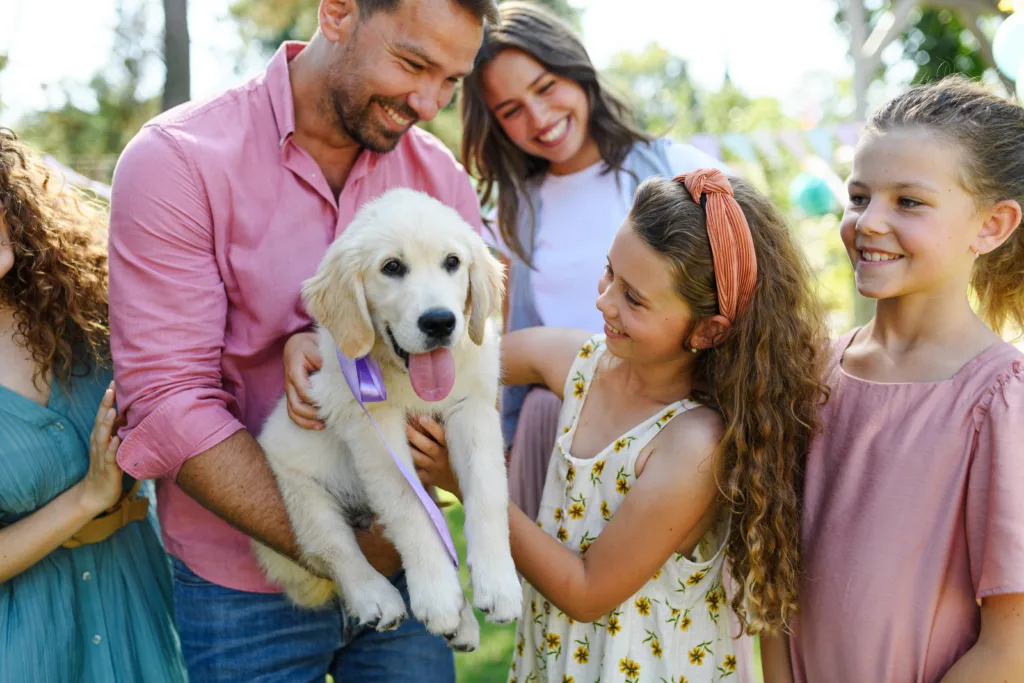
How can my puppy socialise before full vaccination?
Puppy socialisation before full vaccination is essential to gradually introduce your puppy to new environments. Explore these safe and effective exposure ideas:
- Varied surfaces: familiarity with varied surfaces, like grass, sand, wood, carpet, linoleum, and wet and wobbly surfaces, helps them gain confidence and prevent future anxiety with their surroundings.
- Household appliances: Positive initial exposure to household appliances helps a puppy get familiar with certain sounds and prevents the development of sound-related phobias.
- People of different ages: exposing them to different people early on allows them to be less aggressive or anxious around other humans and their pets in the future.
- Arranged interactions: after the first vaccination (if vet-approved), encouraging your puppy to build connections with healthy adult dogs is also good to help develop healthy canine communication skills
If you’re interested in guided training, here are some veterinary clinics that offer puppy preschool programs:
- Greencross Vets: With clinics in various locations around Australia, Greencross Vetsoffers a 4–5 week Puppy School for 8–16 week-old puppies, covering basic obedience and socialisation.
- Mosman Vet (NSW): Located at #9 Canrobert Street, Mosman Vet (NSW), offers a structured four-week evening program for fur parents who leave their house at night.
- Hoppers Crossing Veterinary Clinic and Hospital: Located at 5 Barber Dr, Hoppers Crossing, uses a 5-week course based on Dr. Kersti Seksel’s Hills Puppy Preschool curriculum.
What to avoid before my puppy’s full vaccination?
Puppies are extremely vulnerable to dangerous, often fatal diseases before vaccination. Here are the tips and places to avoid exposing your susceptible fur baby to environmental risks:
- Dog parks
With their underdeveloped immune system, puppies are highly vulnerable to contagious diseases found in dog parks, such as parvovirus, kennel cough, and distemper. These diseases can be transmitted through contact with infected dogs and surfaces contaminated by the virus.
- Other dogs’ poo 💩
Faecal deposits from unknown dogs could be a direct source of diseases. Even simply sniffing the contaminated surface could transmit resilient viruses to puppies.
- High-risk public spaces
Public spaces such as parks, sidewalks with heavy foot traffic, or any contaminated environment may pose a danger to your puppy with incomplete vaccinations, as pathogens lingering in those areas could easily penetrate the puppy’s immune system.
- Unfamiliar dogs
To avoid accidentally exposing a puppy to potential danger, it is best to maintain a safe distance from unfamiliar dogs or puppies, especially if their vaccination status is unknown.
Signs your puppy is overwhelmed
Dogs can be overwhelmed by other pets or humans, especially in the beginning. It’s important to look out for these signs of stress:
- Tail tucked – this can indicate that your dog is afraid, stressed, in pain, or uncomfortable
- Freezing – shaking from fear indicates that your dog is threatened or afraid
- Excessive panting – heavy panting is a common stress response for dogs
- Avoidant behaviour – an overwhelmed dog can appear to be hiding from people or animals
Frequently Asked Questions
Safe Puppy Socialisation
Allowing your pet to socialise early can be a great opportunity for growth when done safely. Your veterinarian can guide you as your puppy starts to meet new friends and encounter new environments.
As your puppy begins exploring the world, it’s also wise to prepare for unexpected situations. With Knose Pet Insurance, you can have a partner in raising a confident and healthy pup.
Knose offers dog and puppy insurance with extensive coverage, along with a 24/7 pet health hotline and an optional pet care plan for wellness. With Knose, you can make your early puppy socialisation journey safer and easier!
