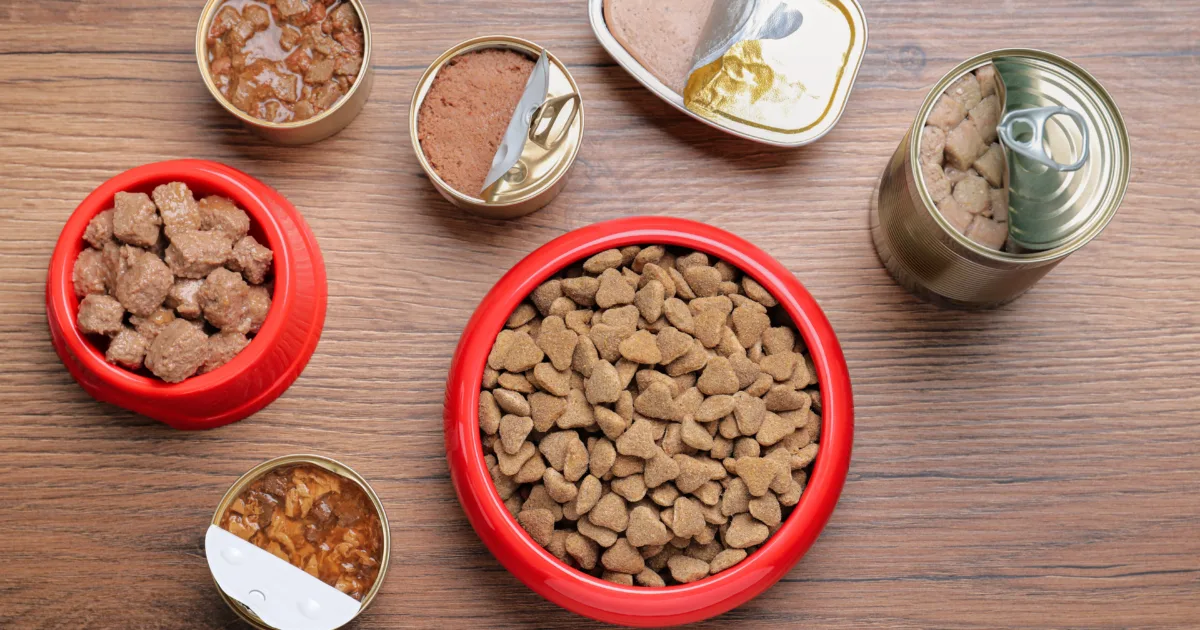

If you’ve ever stood in a pet food aisle feeling overwhelmed by the number of cat food options, you’re not alone. Every bag and tin seems to promise something different: “premium,” “natural,” “complete and balanced.” But what do those terms actually mean?
Understanding cat food labels is one of the most practical ways to make informed nutrition choices for your cat. Cats have unique dietary needs as they need to eat specific nutrients and vitamins that they can’t produce themselves.
Choosing the right food can help prevent common feline issues such as cat obesity, urinary tract problems, and nutritional deficiencies.
Remember that this is educational information only. Always consult your veterinarian before making changes to your cat’s diet.
The Basics of What Cat Food Labels Include
Pet food labelling in Australia often follows Australian Standard AS 5812: 2023: Manufacturing and Marketing of Pet Food (referred to as AS 5812 below), which outlines what manufacturers must include on packaging and it sets the baseline for product labelling, safety, and nutritional transparency.
The objective is to ensure cat owners know what they’re buying. However, it is also crucial to understand these labels. Here’s what cat food label must include under AS 5812:
Product name and intended species
The label must clearly state that it’s meant for cats. It often may include the image of a cat for quick identification.
Net weight
Shown in metric units, all packaged pet foods must show the net weight or volume. This helps cat owners compare the cost per kilogram or per serving.
Ingredient list
Ingredients should be listed in descending order based on their pre-cooked weight.
Guaranteed or typical analysis
The minimum and maximum percentages of nutrients such as protein, fat, fibre, and moisture should be listed in this section so that cat owners can easily have a nutritional comparison.
Nutritional adequacy statement
This statement dictates whether the cat food is already nutritionally substantial for your cat’s diet, “Complete and balanced” or if it is designed to be fed alongside other foods as a treat or a supplement, “supplementary feeding only.”
Feeding directions
Cats have a tendency to become overweight over time. The label provides portion guidance for an average cat based on specific body weight.
Manufacturer details
The name and contact information of the production company must be displayed, along with a batch code or date mark. This information helps with accountability and traceability in case of product recalls or quality issues.
Australian Cat Food Label Standard
In Australia, cat food packaging labels often comply with AS 5812, which outlines what information is required on packaging and how it should be presented.
AS 5812 is a voluntary standard and references Association of American Feed Control Officials (AAFCO) and Pet Food Industry Association of Australia (PFIAA) definitions for nutrient adequacy and labelling terms. The European Pet Food Industry Federation (FEDIAF) and World Small Animal Veterinary Association (WSAVA) frameworks are also widely recognised as complementary references in pet nutrition. All nutritional labels must also comply with the Australian Competition & Consumer Commission (ACCC) requirements against misleading or deceptive claims.
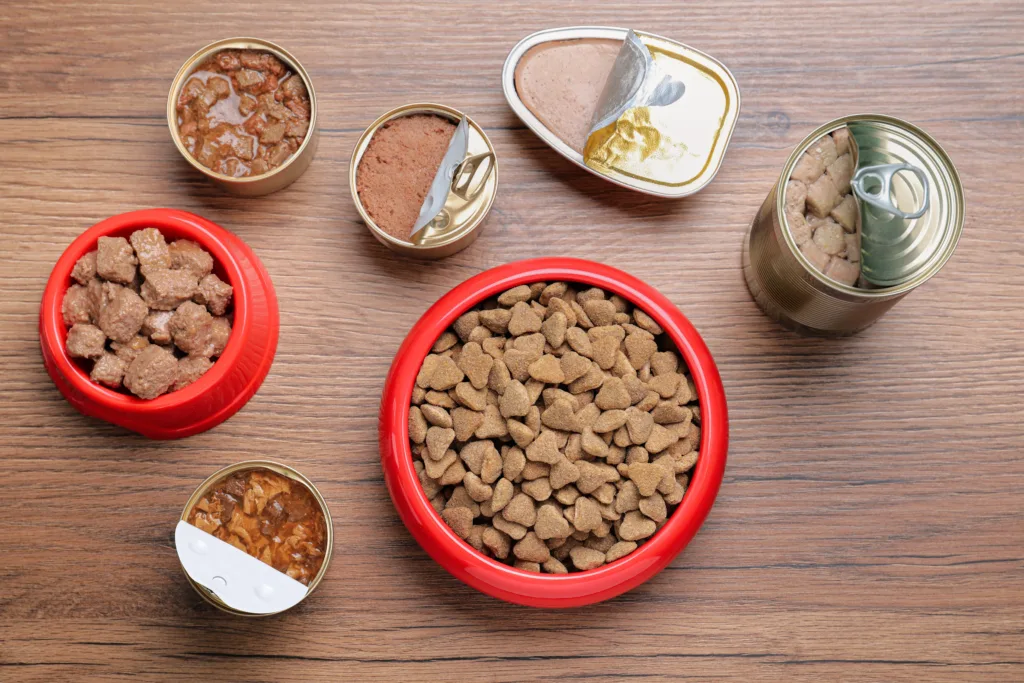
Reading Cat Food Ingredient List: Green and Red Flags
The ingredient list can be one of the most confusing parts of a cat food label. Even though manufacturers list all ingredients, their descriptions and how we understand them can make a big difference in choosing quality products.
✅ Green Flags (Quality Indicators)
- Identified animal proteins: Look for specific ingredients like “chicken,” “lamb,” or “salmon.” If these are immediately indicated, it suggests the food uses defined protein sources. Cats thrive on animal protein.
- Transparent nutritional content: If the food has “Complete and balanced” statements per AAFCO or FEDIAF, it confirms nutrient adequacy for the cat’s indicated life stage.
- Specific additives listed: Any vitamins and minerals should be individually listed (e.g. “Vitamin E,” “ascorbic acid).
- Balanced formula: Quality products will show a balanced level of protein, fat, and fibre within the guaranteed analysis (see “Cat Food Label Cheat Sheet’ section below to see what this means).
⚠️ Red Flags (Warning Signs)
- Vague ingredient terms: If any ingredients like additives or minerals are grouped together or if there are unclear terms such as “meat and animal derivatives.”
- Excessive artificial additives: Artificial additives such as sweeteners, colours, or flavours are not nutritionally beneficial for cats.
- “Grain-free” as a buzzword: Many foods market “grain-free” foods but these are only meaningful if there is an existing allergy or if it is supported by a nutrition rationale.
- Excessively long shelf life: Foods that last too long can indicate heavy preservatives.
💡Tip: Ingredient order reflects pre-cooked weight. “Chicken” may appear first because of water weight, even though a “chicken meal” ingredient might provide more actual protein.
Cat Food Label Cheat Sheet
| Label Term | What It Means | Why It Matters |
| Complete & Balanced | Meets the standard nutrient profiles for daily feeding at the indicated life stage. | Choosing the food with all the daily essential nutrients ensures that your cat has a quality diet. |
| Intended for: Kitten / Adult / All Life Stages | Identifies the life-stage for the nutrition content. | Cats have varying needs as they age. Kittens need more protein and energy and seniors need less phosphorus and calories. |
| Guaranteed Analysis | Lists the minimum and maximum nutrient levels. | Allows a simple comparison of foods fairly, using a dry-matter basis. |
| By-products | States the edible animal parts such as organs. | Organs provide many micronutrients but the quality depends on product source. |
| Meal (e.g. Chicken Meal) | Defined as dehydrated, rendered protein concentrate. | Has a high density of protein and is accepted under Australian standards. |
| Additives & Preservatives | Must be listed by common name or FSANZ code. | Having a transparent ingredient list promotes safety so pet owners can decide what is best for their cat. |
| Feeding Directions | Suggests the daily feeding amount based on the cat’s body weight. | While feeding directions are used as a guide, you can adjust using your cat’s Body Condition Score (BCS). |
| Energy Content (kcal/ME) | Provides the calorie listing per serving or weight. | Helps manage daily food intake and prevent obesity. |
💡Tip: Use a dry-matter basis calculation to compare nutrients fairly. This removes moisture from the equation for accurate protein / fat comparisons.
Why Cat Food Ingredients Matter
Cats’ metabolism and nutrient requirements are distinct. Being obligate carnivores, cats must derive critical nutrients from animal sources:
- High Protein Content: Protein fuels metabolism and muscle maintenance.
- Lipids: Cats are able to use high levels of fat as energy and to help absorb specific vitamins.
- Taurine: An essential amino acid that is vital for the heart, eyes, and reproductive health.
- Arachidonic acid: An essential fatty acid that supports skin, coat, and inflammation control.
Understanding the ingredient list ensures these nutrients are present from appropriate sources.
Some cats develop sensitivities or allergies to certain proteins or additives. Limited-ingredient diets can help identify triggers, but always seek veterinary advice before making dietary changes.
💡Cats are obligate carnivores. This means that their diet consists of at least 70% meat. Their digestive systems are different from other animals so they cannot properly digest vegetation.
Checking Your Cat’s Weight and Body Condition
Even if you’ve chosen the perfect “complete and balanced” food, portion size and monitoring body condition are just as important for keeping your cat healthy. Over 32% of pet cats in Australia are overweight or obese, which increases the risk of diabetes, arthritis, and heart disease.
Here’s a quick guide to help you assess your cat’s condition and maintain a healthy weight. Always consult a veterinarian before changing your cat’s diet or treating your cat at home.
Step 1: Weigh Your Cat Regularly
- Use digital pet scales for accuracy.
- Weigh every 2–4 weeks when adjusting diet, then monthly once stable.
- Record the weight to track gradual changes, any sudden loss or gain may signal illness.
💡If you don’t have special scales, you can use the “hold-and-subtract” method: weigh yourself, then weigh yourself holding your cat, and subtract the difference. It’s not perfect, but it’s helpful for tracking.
Step 2: Use the Body Condition Score (BCS) System
The WSAVA Global Nutrition Committee recommends a 9-point BCS chart, where 1 = very thin and 9 = obese. You can use this simple touch-and-look method at home:
| Score Range | What You’ll See & Feel | Meaning |
| 1–3 (Underweight) | Ribs, spine, and pelvis are very prominent with little to no fat covering. | Needs more calories or a vet check for underlying causes. |
| 4–5 (Ideal) | Ribs easily felt but not visible. The waist is visible from above with a slight tummy tuck from the side. | Healthy condition. Maintain the current feeding routine. |
| 6–7 (Overweight) | Ribs are hard to feel. There is a slight belly rounding with little waist definition. | Cut back on food under the vet’s supervision. Increase play/exercise. |
| 8–9 (Obese) | Absolutely no waist. There are heavy fat deposits over the back and abdomen. Cat has difficulty grooming. | Consult your vet for a weight management plan. |
Step 3: Check Feeding Amounts Against the Label
Label feeding guides are a starting point, not a rule. They are typically based on average energy needs for cats of a certain weight but don’t account for lifestyle.
- Indoor cats may need less than the guide suggests.
- Kittens and active outdoor cats may need more.
Adjust by small amounts under veterinary supervision every few weeks then recheck your cat’s weight and BCS.
Step 4: Balance Calories and Activity
Use playtime, toys or food puzzles, to mimic hunting behaviour and burn calories. Mental stimulation supports weight control and wellbeing as much as diet does.
If your cat is overweight, look for foods with calorie information (kcal per serving or weight) listed on the label. This helps track energy intake accurately.
Step 5: Know When to Call the Vet
When in doubt, always consult your vet. Especially if you notice the following emergency symptoms:
- Your cat loses or gains more than 10% of body weight in a month.
- You notice lethargy, appetite loss, or coat changes.
- You suspect obesity-related problems such as mobility issues or breathing difficulty.
Your vet can create a tailored weight-management plan, including specific calorie targets and diet types (light, renal, or metabolic formulas if needed).
Nutritional Tips for Daily Cat Feeding
- Choose balance over trends: “Grain-free” doesn’t always mean healthier. Some cats may not have issues with grain in their diets.
- Follow feeding guidelines: Use these labels as a starting point, but you can adjust using your cat’s BCS.
- Mind the calories: Inactive indoor cats have more of an overweight risk, while kittens and active cats need calories to grow and have energy.
- Store food correctly: Keep dry food airtight and away from moisture. Refrigerate opened wet food.
- Encourage hydration: Cats often under-drink so wet foods or cat fountains can help.
- Transition gradually: If you have to change your cat’s food, shift their diet over 7–10 days to avoid digestive upset.

How Knose Supports Your Cat’s Health
Even when you choose quality food and monitor your cat’s weight carefully, unexpected health issues can still arise. That is why Knose supports cat owners when things don’t go according to plan. Depending on your policy and eligible treatments, Knose can help cover the costs of:
- Food poisoning or contaminated food: If your cat becomes ill after eating spoiled or unsafe food.
- Ingestion of foreign objects: For cats that swallow string, hair ties, or other non-food items.
- Gastrointestinal problems: Such as vomiting, diarrhoea, or inflammation that require diagnostic tests or treatment.
These situations can happen suddenly and often require vet care or hospitalisation. Having Knose cover means you can focus on getting your cat well again.
Knose also encourages preventive care through its separate product Pet Care Plans, which are routine wellness plans to help pet owners stay proactive about parasite prevention and regular check-ups.
Frequently Asked Questions
- What does “complete & balanced” mean on cat food label?
It means the food meets or exceeds AAFCO or FEDIAF nutrient profiles for a specific life stage, ensuring daily essential nutrients. - Is “grain-free” cat food healthier?
Not automatically. Cats require protein and fat more than carbohydrates. Quality and digestibility of ingredients matter most. - Are by-products bad for cats?
Not necessarily. These can be acceptable to Australian standards. Organ meats are nutrient-rich but it’s the quality of sourcing that counts. - How do I know if my cat is overweight?
Use the Body Condition Score (BCS) chart and weigh regularly. If you are unsure, consult your vet. - How many calories should my cat eat per day?
It depends on weight and activity. A typical 4-kg indoor cat needs about 200–250 kcal/day, but always check with your vet.
References and Further Reading
- AAFCO (Association of American Feed Control Officials) Dog and Cat Food Nutrient Profiles: Nutrient profiles and pet food labelling definitions.
- FEDIAF (European Pet Food Industry Federation) Nutritional Guidelines: Nutritional guidelines for pet foods for European pet food industry.
- WSAVA (World Small Animal Veterinary Association) Global Nutrition Committee: Committee works to help members understand the important role of nutrition and provides pet food evaluation guidance.
- Australian Standard AS 5812: Pet food manufacturing, labelling, and safety standards.
- ACCC (Australian Competition and Consumer Commission): Australian national competition, consumer, fair trading and product safety regulator, relating to product advertising compliance for pet foods.
Disclaimer: Terms, conditions, limits, and exclusions apply. See the Product Disclosure Statement (PDS) and Target Market Determination (TMD) at knose.com.au. Distributor – Knose.com.au Pty Ltd (ABN 70 680 822 986, AR 1311940), AFSL holder – ThePetInsuranceCompany.com.au Pty Ltd (ABN 38 620 795 735, AFSL 536651). Insurer – Pacific International Insurance Pty Ltd (ABN 83 169 311 193, AFSL 523921). Any advice is general only and does not take into account your objectives, financial situation, or needs.
Post by Knose Pet Insurance in collaboration with Marie Boncan
