Choosing pet insurance can feel overwhelming—lots of policy jargon and fine print that matters a lot at claim time.
Maybe you’re comparing pet insurance plans and wondering: “Which one should I get?” You’ve got plenty of pet insurance options, but they all seem to offer similar benefits and services. One detail that can make a big difference is sub-limits.
To get the best out of your decision, it’s best to understand what sub-limits are. Generally, the higher the sub-limits, the better. But what about pet insurance with no sub-limits at all? Knose Pet Insurance offers exactly that.
What are Sub-limits?
A sub-limit is the cap on how much your insurer will pay for a specific condition, treatment type, or service, even if your annual limit has not been reached.
For example:
Your policy’s annual limit is $10,000, but there’s a $500 sub-limit for skin conditions. You receive a $2,000 bill of eligible skin condition treatments. However, you can only receive up to $500 reimbursement. You would have to pay the rest out of pocket.
With Knose Pet Insurance policy, there are no sub-limits. That means you can use your annual limit on whatever eligible treatments your pet actually needs, instead of having specific caps on individual treatments.
When building your policy, Knose supports you by offering insurance options.
|
Feature |
With Knose Pet Insurance |
|---|---|
|
Annual Limit |
Offers up to $25,000 in Annual Limit. |
|
Benefit Percentage |
Claim back up to 90% on eligible vet bills for all policies. |
|
Annual Excess |
Choose your excess level ($0, $100, or $200 per policy period). |
|
Sub-Limits |
No sub-limits on eligible treatments — full annual limit applies to any covered condition. |
|
Chronic Condition Cover |
For arthritis, diabetes, epilepsy, and other chronic conditions (provided it is not assessed as a Pre-existing Symptom and Condition). BOAS (Brachycephalic Obstructive Airway Syndrome) is not covered, unless specifically approved by Knose. |
|
Optional benefits (for eligible policies) |
Optional cover for dental illness, behavioural issues, and specialised therapies. |
Why Sub-limits Matter
Having a transparent policy that you understand helps you avoid surprises during claim time.
Here’s what having sub-limits on your policy can mean:
- Lower payouts for high-cost but common treatments (e.g., skin allergies, tick paralysis).
- Higher out-of-pocket costs, even when you’ve got plenty of annual limit left.
By eliminating sub-limits, Knose keeps things simple:
- Simplify claims. You have one pot (annual limit) for eligible costs.
- Great flexibility. Help fund what your pet actually needs, when they need it.
- Better financial management. Fewer unpredicted expenses mid-treatment.
Quick Comparison: Typical Sub-limits vs Knose
Here’s a quick comparison to show how sub-limits can have an impact on real-world payouts.
Many policies contain small caps for things like skin conditions, tick paralysis, or advanced imaging. That means you can hit a limit even when you’ve got an annual limit left.
Knose removes those line-item caps, letting you use one pot (your chosen annual limit) across eligible treatments.
|
Insurance status |
Insured with Knose Pet Insurance |
Other Insurance Provider |
|---|---|---|
|
Pet Owner |
Sarah |
John |
|
Pet |
Bella, a 2-year old Ragdoll |
Max, a 5-year old Cavoodle |
|
Annual Limit |
$25,000 |
$25,000 |
|
Benefit Percentage |
80% |
80% |
|
Annual Excess |
$0 |
$0 |
|
Sub-limit |
None |
$1,000 |
|
Total Vet Bill |
$10,000 |
$10,000 |
|
Claim amount |
$8,000 (80% of $10,000) |
$1,000 (sub-limited) |
|
Out-of-pocket expense |
$2,000 |
$9,000 |
Choosing the right pet insurance can take a lot of time and thought. There are several reliable websites where you can find detailed comparisons and reviews of various pet insurance plans in Australia.
You can find and compare Knose with other providers on websites such as Finder, Mozo, and Canstar. These platforms can help you understand which plans offer the best value and coverage for you and their product ratings.
⭐️⭐️⭐️⭐️ As of November 2025, Knose has a 4.7 star rating at Product Review.
Typical Sub-limits vs Knose: Real-Life Cases Study
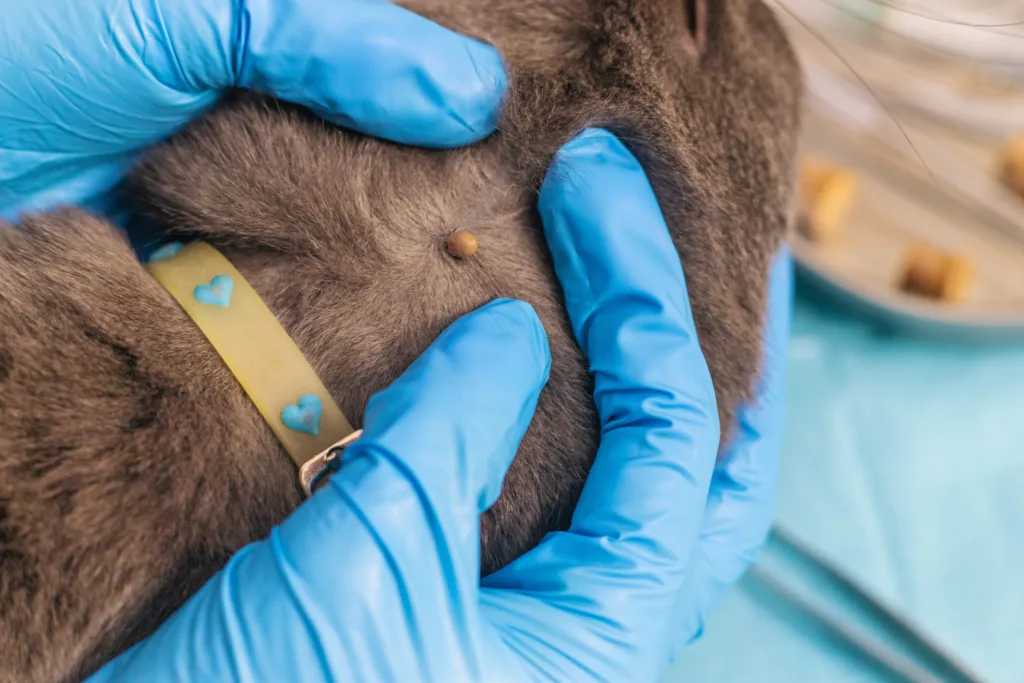
To help you understand your options better, let’s check out these different scenarios for a tick paralysis diagnosis.
Insured with Knose | Sarah and Bella, 2-year old Ragdoll
Sarah decided to purchase Knose Pet Insurance to make sure Bella has good cat insurance.
Cover chosen: $25,000 annual limit, 80% Benefit Percentage, no sub-limits, $0 annual excess.
Bella needed to see the vet and Sarah made a $10,000 claim on Bella’s eligible treatments.
Since there are no sub-limits (no restrictions on specific conditions or treatments) within the annual limit, Knose provides $8,000 and Sarah pays the remaining $2,000 out-of-pocket.
Thanks to her cat insurance with Knose and the absence of sub-limits, her vet costs were significantly reduced. More importantly, Sarah was not worried knowing that Bella’s treatment was financially covered by Knose Pet Insurance.
Sub-limited Pet Insurance | John and Max, 5 year-old Cavoodle
John chose another pet insurance provider for Max, mistakenly believing it offered similar benefits. However, this insurer has a sub-limit of $1,000 for specific conditions (including tick paralysis).
Cover chosen: $25,000 annual limit, 80% Benefit Percentage, tick paralysis sub-limit $1,000, $0 annual excess.
Max needed a tick paralysis treatment and the vet bill came out to $10,000. Due to a $1,000 sub-limit under his pet insurance policy, John had to pay the remaining $9,000 out-of-pocket.
This significant out-of-pocket expense shows the limitations of having a pet insurance plan with sub-limits. John may not have been financially ready for such an expense at that moment.
How you can make the most out of Knose Cover
Knose removed sub-limits so you can use your policy on the eligible treatments that your pet needs, from diagnostics and hospitalisation to surgery and medications.
- Build your policy by choosing Annual Limit, Benefit Percentage, and Annual Excess.
- Keep complete medical records and identify all pre-existing conditions.
- Insure early to avoid having exclusion periods when you need the support.
- Go to any licensed vet in Australia and have access to a 24/7 vet hotline.
- No sub-limits. Claim up to your annual limit for eligible treatments.
💡 For a wider coverage, include Optional Benefits (a package for Dental Illness, Behavioural Conditions, Specialised Therapies) for pets under the age of three.
When “No Sub-limits” Helps the Most
Having no sub-limits is especially useful for ongoing treatment/tests. For example, if your pet’s illness requires imaging, hospitalisation, or if your pet has seasonal spikes like skin allergies during spring.
In these situations, being able to draw from a single annual limit without any sub-limits lets you focus on the right care rather than juggling category restrictions.
Getting pet insurance can be a good decision, but getting one with no sub-limits can be an even better decision.
Ultimately, the decision to invest in pet insurance should be based on your lifestyle, potential risks, and financial situation. Knose always aims to educate pet owners to make the best choices for themselves and their pets.
Check out the Knose Quote Tool.
FAQs
Disclaimer: Coverage for illnesses and injuries is subject to your selected plan, Knose Pet Insurance terms and conditions, and only applies where the condition is not a Pre-Existing Symptom or Condition and is outside any applicable Exclusion Periods. See the Product Disclosure Statement for full details.
Paid post by Knose Pet Insurance in collaboration with Marie Boncan.