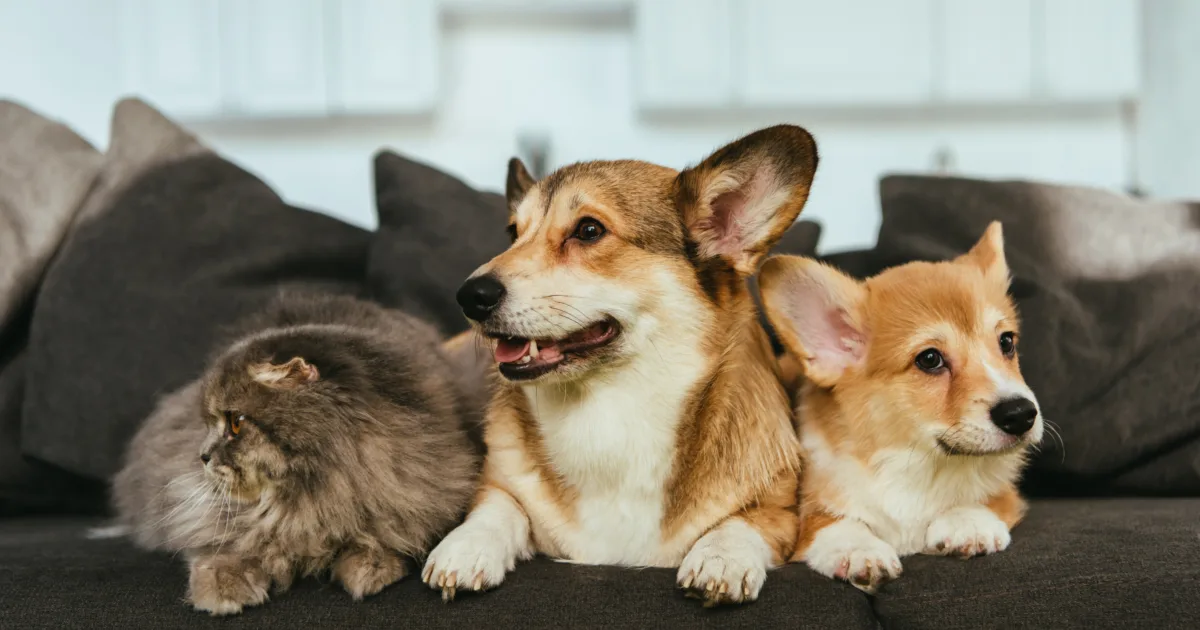

Anxiety is one of the most common behaviour issues vets see in dogs and cats. Some pets are naturally more sensitive than others. Stress can also build after a change in routine, a scary experience or an illness. Spending long stretches of time alone can play a part too.
The good news is there’s plenty you can do at home. Daily brain games, good nutrition and reward-based dog training can help. Quality time and a steady routine can also help your pet feel more secure and cope with everyday stress.
There’s no quick fix for anxiety. It starts with understanding what’s causing the stress and recognising the early signs. Our friends at PetWell have shared five practical ways to help you get started.
Why is managing anxiety important?
Short periods of stress are a normal part of life. However, when anxiety becomes ongoing, it can start to affect your pet’s physical health and emotional wellbeing.
An anxious pet may eat less, struggle to settle, become destructive, vocalise more than usual or withdraw from family life. Ongoing stress can also affect sleep, digestion and immune function, which may impact your pet’s overall quality of life.
🚨 Chronic anxiety doesn’t just affect behaviour. It can affect the whole body.
When pets experience stress, their bodies release hormones such as cortisol. These hormones help the body respond to short-term challenges. When stress continues for long periods, however, it can place ongoing demands on the body and may affect processes such as immune function and inflammation.
The digestive system can also be affected. The gut and brain are closely connected through what’s known as the gut-brain axis. Stress may influence digestion and the balance of bacteria in the gut, which can contribute to changes in appetite or digestive upset.
The gut also plays an important role in immune health. Supporting your pet’s emotional wellbeing is also one part of looking after their overall health.
What causes anxiety in dogs and cats?
There’s rarely one single cause of anxiety in pets. Some are naturally more sensitive, while others may become anxious after changes or experiences that make them feel stressed or unsafe. Often, several factors can build up over time. Common ones include:
- Being separated from their family
- Not enough mental stimulation
- Changes to their routine or home
- Loud noises such as storms or fireworks
- Limited socialisation when they were young
- A frightening experience in the past
- Genetics and breed tendencies
- Changes in the brain that come with age
Working out what’s behind your pet’s anxiety is usually the first step to helping them.
Tips for helping dogs and cats with anxiety
Helping an anxious pet takes time, patience, and a little trial and error. Small changes at home can help your pet feel safer and more secure, especially when you understand what triggers their stress. Here are some practical ways to help your dog or cat manage anxiety and feel more comfortable day to day.
1. Give their brain a daily workout
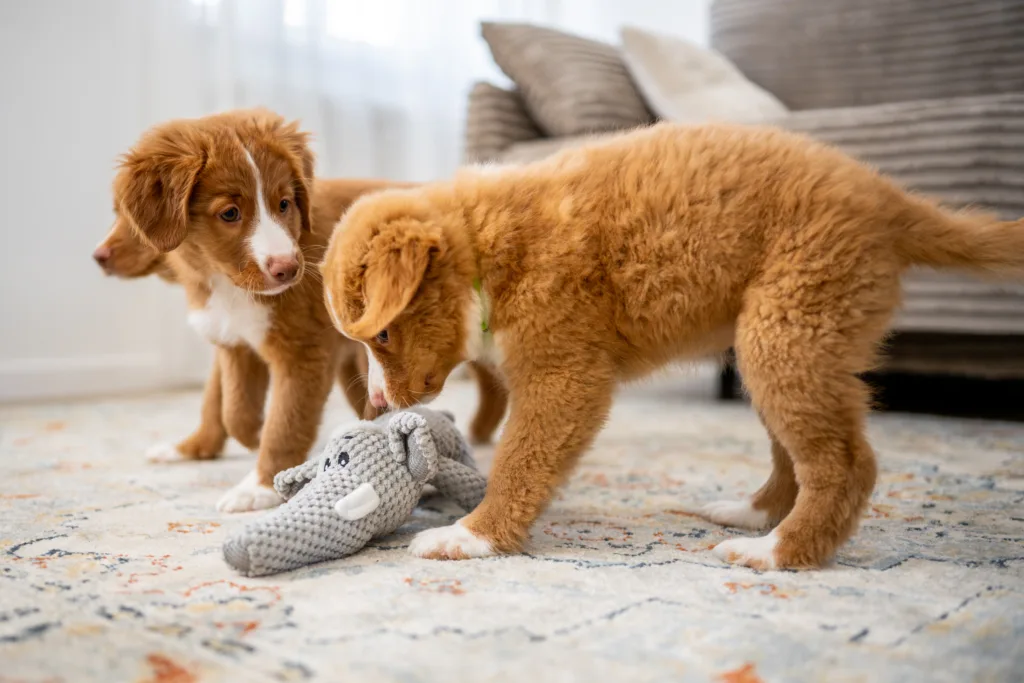
Mental exercise matters as much as physical exercise. Dogs and cats are natural problem-solvers, and without something to think about, boredom can turn into frustration. For some pets, that frustration shows up as anxious behaviour.
Easy ideas to try:
- Puzzle feeders
- Snuffle mats
- Food-dispensing toys
- Scent games
- Short training sessions
- Rotating their toys
- Safe chews for dogs
- Cat trees and interactive toys for cats
Just 15-20 minutes a day can tire the brain in a healthy way, build confidence and ease stress.
2. Feed for a healthy mind
The brain needs good nutrition to work at its best. A balanced diet with quality protein, healthy fats and wholefood ingredients gives the nervous system what it needs.
Some nutrients have been studied for their role in supporting calm behaviour:
- L-tryptophan, an amino acid found in protein-rich foods
- L-theanine, found naturally in green tea
- Omega-3 fatty acids
- Antioxidants
Some pet owners also use a professionally formulated supplement such as PetWell Calm. It combines wholefood ingredients including goat milk, chamomile, green tea, lemon balm, oat straw and rose hip to help support relaxation without making pets drowsy.
3. Build confidence with positive training
Training teaches good manners, and it also helps your pet feel more sure of themselves in the world. Reward-based training encourages problem-solving, strengthens your bond and teaches your pet how to stay calm in different situations.
Keep dog exercises short and fun, and celebrate the small wins. Skip punishment, as it can make fear and anxiety worse. Confidence grows slowly, through good experiences repeated over time.
4. Help them feel safe and connected
Dogs evolved to live in family groups, and many cats form strong bonds with their people and enjoy predictable time together. Every pet is different, but regularly leaving an anxious pet alone for long periods can add to their stress.
Where you can:
- Spend quality time together each day
- Keep daily routines consistent
- Give them a quiet, comfy spot to retreat to
- Leave enrichment toys out when you head out
- Build their independence slowly if being apart is hard for them
Feeling safe and connected goes a long way towards easing everyday stress and helping your pet bounce back.
5. Keep a calm, predictable routine
Pets like knowing what comes next. Regular mealtimes, walks, play and bedtime give them a sense of security and take some of the uncertainty out of their day.
When something stressful comes along, like a storm, fireworks or visitors, try to:
- Stay calm yourself
- Offer a safe place to retreat
- Let your pet come to people in their own time
- Give them familiar bedding or a favourite toy
- Introduce changes slowly where you can
It sounds simple, but for an anxious pet a steady routine is one of the most helpful things you can give them.
What are the signs of anxiety in dogs and cats?
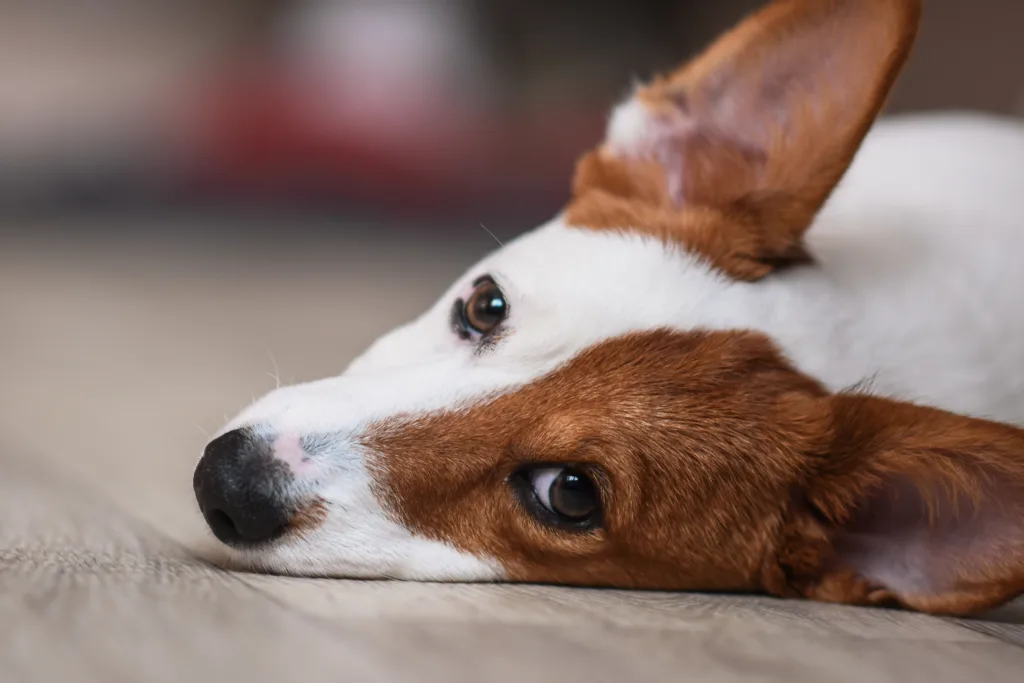
Anxiety can look different in every pet. Some signs are obvious, while others are subtle or develop gradually. Use this checklist to look for changes in your pet’s behaviour that may point to anxiety.
Anxiety checklist
If you notice any of these behaviours, it may be worth taking a closer look:
☐ Excessive barking or vocalising
☐ Pacing
☐ Hiding
☐ Destructive behaviour
☐ Excessive licking or grooming
☐ Panting when not hot
☐ Restlessness
☐ Trembling
☐ Clinginess
☐ Changes in appetite
☐ Difficulty settling
☐ Toileting indoors
☐ Hypervigilance or startling easily
☐ Withdrawal from family members or favourite activities
Your pet doesn’t need to show every sign for anxiety to be affecting them. Even one or two ongoing changes in behaviour may be worth discussing with your veterinarian.
What should you do if your pet has anxiety?
Small changes can help an anxious pet feel safer and cope with everyday stress. Mental enrichment, good nutrition, reward-based training and a predictable routine can all support their emotional wellbeing.
If anxiety is severe, develops suddenly or affects your pet’s daily life, speak with your veterinarian or a qualified animal behaviour professional. They can help identify the cause and create a plan suited to your pet.
Knose Pet Insurance offers optional cover for behavioural conditions in dogs and cats. If you add it to your policy, it can help with eligible costs for vet-recommended treatment, training or consultations with a veterinary behaviourist.
Disclaimer: The entire contents of PetWell emails and website are not to be taken as medical advice. The team at Pet Squad Pty Ltd trading as PetWell encourages you to make your own pet health care decisions based on your research and in partnership with a qualified pet healthcare professional. This article was prepared by the team at PetWell. Australia’s trusted provider of natural, human-grade pet supplements and freeze-dried treats for dogs and cats. Drawing on holistic animal behaviour insights and years of working with canine clients, PetWell champions kind, calm and scientifically informed solutions for every pet parent.
