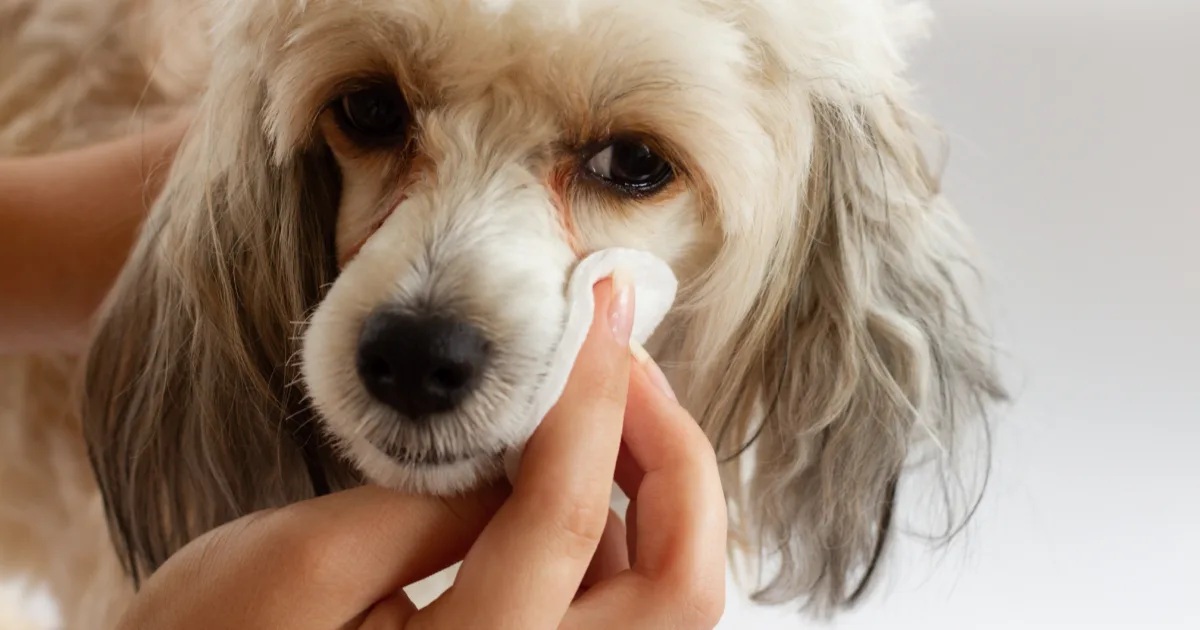

We all love a soft, shiny coat. But when your pet starts scratching, licking their paws or developing dry, red patches, it’s a reminder that there’s much more to a healthy coat than good grooming.
Your pet’s skin is their first line of defence and keeping it healthy matters. Pet skin allergies are one reason your pet might be itchy, but they aren’t the only one. Parasites, environmental allergens, inflammation and problems with the skin barrier can all play a role, while food allergies make up less than 5% of allergies in pets.
Once you understand what’s actually driving the itch, there’s a lot you can do about it. This guide walks through why allergies happen, what to look out for, and eight practical ways to support healthy skin and coat for pets long term.
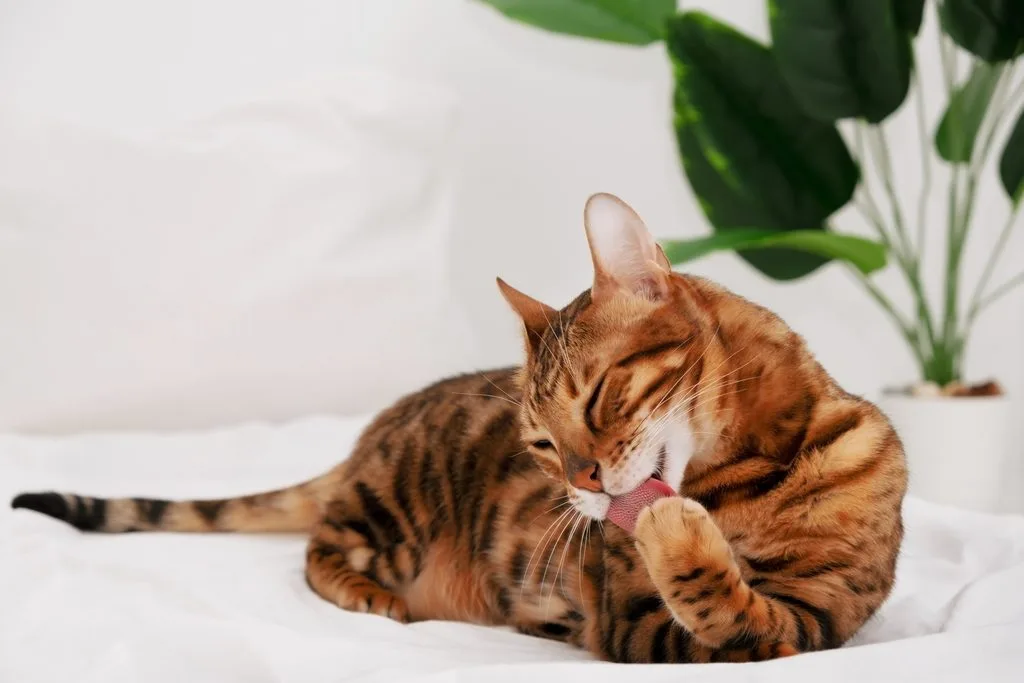
Why is skin health important for pets?
Your pet’s skin is their body’s largest organ and an important line of defence. A healthy skin barrier helps lock in moisture while keeping allergens, bacteria and other irritants out.
When this barrier is weakened, it can contribute to inflammation, itching and redness, including the discomfort associated with pet skin allergies.
Their coat helps too, protecting the skin underneath and supporting temperature regulation. That’s why supporting your pet’s skin and coat health is about more than keeping them looking their best.
Why do some pets develop allergies?
Some pets seem to be much itchier than others, and pet allergies could be part of the reason. They happen when the immune system overreacts to something that’s normally harmless, such as pollen, grass or certain proteins.
Instead of simply ignoring these substances, the immune system treats them as a threat and triggers inflammation. That’s what can lead to the itching, redness and irritation often associated with pet skin allergies.
Repeated inflammation can also weaken the skin barrier, making it easier for irritants to get through and potentially causing a cycle of ongoing flare-ups. Some pets are simply more prone to allergies due to their genetics, while others may become sensitive to environmental allergens over time.

How can you support your pet’s skin and coat?
Healthy skin and coat health starts with the little things you do every day. You don’t need to overhaul your pet’s entire routine overnight. A few simple, consistent habits can help support their skin barrier and reduce some of the everyday triggers that can lead to irritation.
1. Feed a skin-supportive diet
Healthy skin starts in the food.
Your pet’s skin is constantly repairing and renewing itself, so it needs the right nutrients to stay strong. A balanced, nutritious diet provides the protein, healthy fats, vitamins and minerals needed to support pet skin health, maintain the skin barrier and keep their coat soft and healthy.
Good nutrition can also support the skin microbiome, the community of beneficial microorganisms that naturally live on your pet’s skin. When this ecosystem is balanced, it works alongside the skin barrier to help protect against irritants and everyday environmental allergens.
When choosing food for your pet, look for sources of:
- High-quality animal protein
- Omega-3 fatty acids
- Zinc
- Vitamin E
- Antioxidant-rich wholefoods
A nutritious diet won’t prevent all pet skin allergies, but it can give your pet’s skin and coat the nutritional support they need to stay healthy.
2. Know the difference between food and environmental allergies
An itchy pet doesn’t automatically have a food allergy. In fact, environmental allergies are generally much more common and can be triggered by things like grass, pollen, mould and dust mites.
Symptoms can overlap but some patterns may offer clues:
Food allergies may:
- Cause symptoms throughout the year
- Be accompanied by digestive issues in some pets
- Require an elimination diet under veterinary guidance to confirm
Environmental allergies may:
- Flare at certain times of the year
- Be triggered by grass, pollen, mould or dust mites
- Cause itching around the paws, ears, face and belly
Knowing what may be behind your pet’s symptoms is an important part of managing pet allergies. If your pet has persistent itchy skin, recurring irritation or other signs of pet allergies, your vet can help identify the likely cause and recommend the right approach.
3. Support a healthy immune response
A little inflammation is a normal part of your pet’s immune response. The trouble starts when that response sticks around, potentially contributing to ongoing itching, redness and irritated skin.
While identifying and managing the underlying trigger is important, good nutrition can also support your pet’s immune system and overall pet skin health.
A well-supported immune system can respond appropriately to everyday irritants while helping maintain healthy skin and a comfortable coat.
4. Increase Omega-3 intake
If there’s one nutrient that deserves extra attention for skin health, it’s Omega-3.
Omega-3 fatty acids help support healthy skin by nourishing skin cells, maintaining the skin barrier, and supporting a balanced inflammatory response. Many pets consume plenty of Omega-6 fats but comparatively little Omega-3, creating an imbalance that may contribute to skin irritation.
Excellent natural sources include:
- Oily fish
- Sardines
- Salmon
- Fish oil
- Green-Lipped Mussels
Green-Lipped Mussels are particularly valuable, naturally containing EPA, DHA and ETA, unique marine Omega-3 fatty acids that help support healthy skin while also providing joint health benefits.
5. Reduce everyday allergen exposure
You can’t eliminate every allergen, but you can reduce how much your pet comes into contact with each day.
Simple habits can help minimise exposure to common environmental triggers, especially during allergy season. Try to:
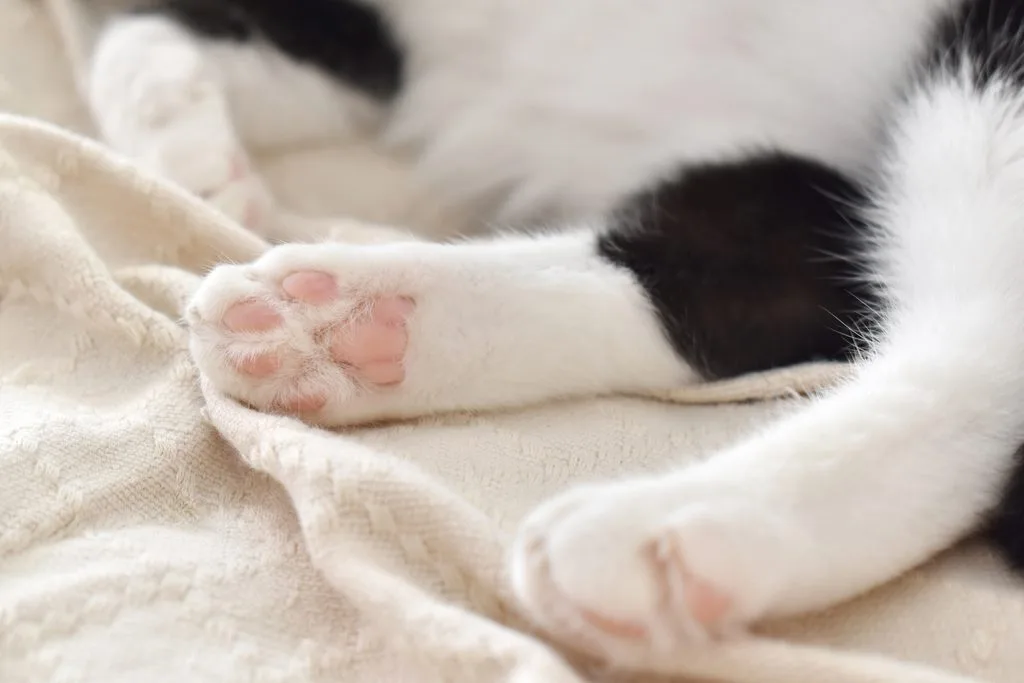
- Wipe paws and coat after walks
- Wash bedding regularly
- Vacuum carpets and soft furnishings frequently
- Keep lawns short where practical
- Stay up to date with flea prevention
- Rinse your pet after swimming in chlorinated pools or the sea if their skin is sensitive
These small changes won’t cure allergies, but they can help reduce your pet’s overall allergen load and may lessen irritation over time.
6. Protect the skin barrier
Your pet’s skin barrier provides a protective layer between their body and the outside world. Skin cells make up the structure, and natural oils help keep it strong and intact. When the barrier is compromised, moisture can escape and allergens can penetrate more easily.
A few everyday habits can help support your pet’s skin health:
- Avoid over-bathing
- Use gentle, pet-specific shampoos
- Keep skin moisturised
- Include Omega-3-rich foods in their diet
- Brush regularly to help distribute natural oils
A healthy skin barrier helps keep moisture in and everyday irritants out, supporting healthy skin and coat health.
7. Consider targeted nutritional support
For pets prone to skin irritation or recurring pet skin allergies, targeted nutritional support may complement their everyday diet, particularly during allergy season.
Ingredients such as Green-Lipped Mussel, spirulina, nettle, moringa, turmeric, beetroot and zinc can provide nutrients that support pet skin health and normal immune function.
A professionally formulated supplement can make it easier to include these ingredients in your pet’s routine. For example, PetWell Relief combines several of these ingredients with Green-Lipped Mussel to support healthy skin, coat quality and normal immune function.
Supplements should complement a balanced diet, not replace it. If your pet has ongoing pet allergy symptoms, speak with your vet before introducing new supplements.
8. Work with your vet to identify triggers
When pet allergy symptoms keep coming back, treating the itch alone may not be enough. Your vet can help work out what’s triggering your pet’s skin allergies and find the right approach for managing them.
Depending on your pet’s symptoms, this may include:
- An elimination diet trial
- Flea prevention and management
- Skin testing where appropriate
- Treating secondary skin infections
- A longer-term plan for managing pet allergies
Getting to the underlying cause can help reduce recurring flare-ups and support better long-term pet skin health.
Happy skin, happier pets
Pets can’t tell us when something is bothering them, but their skin often gives us clues. More scratching, paw licking or recurring irritation could be signs of pet allergies and are worth discussing with your vet.
Alongside healthy skin habits, having cover in place can help with eligible veterinary costs when skin issues need more than at-home care. If your pet develops ongoing irritation, an infection or an allergy that needs veterinary attention, you may need consultations, tests or treatment to help get things under control. Knose covers eligible claims for skin allergies and infections.
Healthy skin means more room for zoomies, naps and everything in between.
Disclaimer: The entire contents of PetWell emails and website are not to be taken as medical advice. The team at Pet Squad Pty Ltd trading as PetWell encourages you to make your own pet health care decisions based on your research and in partnership with a qualified pet healthcare professional.
This article was prepared by the team at PetWell. Australia’s trusted provider of natural, human-grade pet supplements and freeze-dried treats for dogs and cats. Drawing on holistic animal behaviour insights and years of working with canine clients, PetWell champions kind, calm and scientifically informed solutions for every pet parent.
