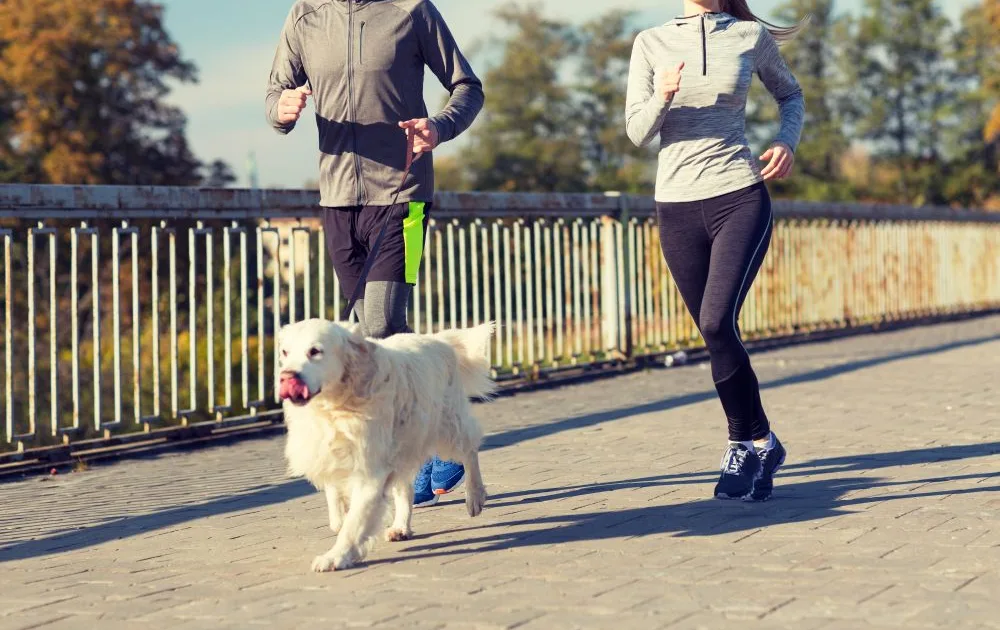

Running with your dog sounds ideal. Fresh air, a reliable training partner, and a tail wagging at the door before you have even laced up. But before you clip on the lead, is your dog actually built for it?

Dogs who run regularly with their owners tend to be calmer, better socialised, and physically healthier. The benefits go both ways. A well-matched running companion can make your own training more consistent, and a dog who gets proper outlets for energy is generally happier and easier to live with.
Tools like PawHealthAI can help you check in on your dog’s health, spot potential issues early, and make sure your running plans are safe and suitable for them. But before you log your kilometres together, here’s what you need to weigh up.
Not all dogs are built for running
A successful run starts with knowing your dog’s limits and taking the time to assess them to prevent discomfort or injury.
Age
Puppies shouldn’t run long distances. Growth plates in young dogs typically close between 12 and 18 months, depending on the breed. High-impact repetitive exercise before that point can cause lasting joint damage.
At the other end of the age scale, senior dogs may carry arthritis, heart disease, or reduced lung capacity that makes sustained running risky. A vet check before starting is the sensible move for dogs at either extreme.
Breed
Breed matters more than most owners expect. Brachycephalic dogs, those with flat or short snouts, such as Bulldogs, Pugs, French Bulldogs, and Boxers, struggle to breathe efficiently at pace. Running puts real strain on their airways.
According to the American Kennel Club, top dog breeds for running include high-energy, athletic breeds like Vizslas, German Shorthaired Pointers, Border Collies, Belgian Malinois, and Dalmatians. Dogs like German Shepherds, Labrador Retrievers, and Standard Poodles handle versatile or medium-distance runs just fine.
Health status
A dog’s weight, joints, past injuries, and heart or breathing health all play a role in how safe running is. An overweight dog carries an extra load with every stride, which can put added stress on their legs and joints.
It’s always a good idea to check with your vet before starting a running routine to make sure your dog is ready and to prevent any setbacks.
Temperament and training
A dog who pulls constantly, lunges at cyclists, or loses focus around other dogs makes for a frustrating and potentially dangerous running partner.
The ability to hold a loose lead, stay reasonably calm around distractions, and read your pace are all practical skills that need to be in place before you tackle longer routes together. Consistent training helps your dog enjoy runs safely and comfortably while keeping you both in sync.

Signs your dog is a good running partner
Some dogs take to it naturally, and you’ll see it clearly if yours is one of them.
Dogs who are always ready to maintain consistent energy across the outing rather than fading hard in the final stretch. They keep pace without appearing to strain, breathing steadily rather than labouring.
After the run, they recover within a reasonable window, drinking water, settling down, and returning to their normal state within an hour or so. Perhaps the most telling is that they show genuine enthusiasm at the prospect of going out. They’re at the door before you’ve finished stretching.
Recovery is a useful indicator on its own. Bouncing back quickly from a 5 km run is a good sign. One who sleeps half the day and stiffly drags their paws is raising a red flag.
Regular vet checkups can help confirm your dog is fit for running and catch any issues early before they become serious.
When your dog may not be ready
Check with your vet if you notice any of the following during or after runs.
Fatigue or overheating
Excessive panting, slowing to a shuffle, seeking shade mid-run, or showing signs of heat exhaustion are all signals to stop. Dogs don’t regulate temperature the way humans do, and they can overheat faster than you’d expect, particularly in humid conditions.
Limping or frequent slowdowns
A dog who starts strong and begins limping or repeatedly slowing may be masking discomfort. Issues like cruciate ligament can make running painful, yet many dogs push through the pain to keep up with their owners.
Reluctance to move
If your dog starts hanging back at the door, sits down partway through the run, or needs a little extra encouragement to keep going, pay attention. Sometimes what looks like stubbornness is just their way of telling you something hurts or feels uncomfortable.
Medical or weight concerns
Allergies, obesity, respiratory conditions, and heart issues all require a conversation with your vet before any running programme begins.
How to start running together safely
Begin short
Start with distances your dog already handles comfortably on walks, then extend slowly. A general rule is to increase weekly distance by no more than 10% at a time.
Build gradually
Treat the first month as base-building. The goal is consistency over distance. Short, regular outings are more useful than occasional long ones.
Use the right gear
Choosing the right gear helps your dog stay comfortable. A front-clip harness gives more control and protects the neck, while a fixed lead around 1.5 to 2 metres keeps the run steady.
Plan for water and rest
Make sure your dog stays hydrated during longer runs, not just afterward. On warm days, plan for shady breaks and carry water along. Give plenty of pauses when needed.
Consider environmental factors
To run safely, it’s important to pay attention to the weather and avoid extreme heat, choose surfaces that are gentle on your dog’s paws, and plan routes that are secure and free from hazards. Keeping these factors in mind helps make every run enjoyable and injury-free.

Your dog’s pace is the right pace
Every dog has their own rhythm, and the key to a successful run is following it. Some days they might have extra energy and want to go further, while other days they may need a slower, shorter route. Paying attention to their needs helps them stay comfortable and injury-free.
Running is a chance to bond and enjoy the outdoors as a team. By keeping the pace aligned with your dog’s needs, you create a positive experience that keeps them happy, healthy, and excited for the next run.
This National Trail Run With Your Dog Day on May 2nd, 2026, PawHealthAI is inviting dog owners across Australia to celebrate that bond. It’s a free, virtual event. Wherever you are and whatever trail you love, you can take part. Simply download the PawHealthAI app, set up a profile for your dog, and on the day, complete and share a Paws and Reflect check-in to enter the Grand Prize lucky draw.
The event is proudly supported by Knose, the Official Pet Insurance Partner of National Trail Run With Your Dog Day.
Visit the official site to download the app and learn more!
https://www.trailrunwithyourdogday.com
