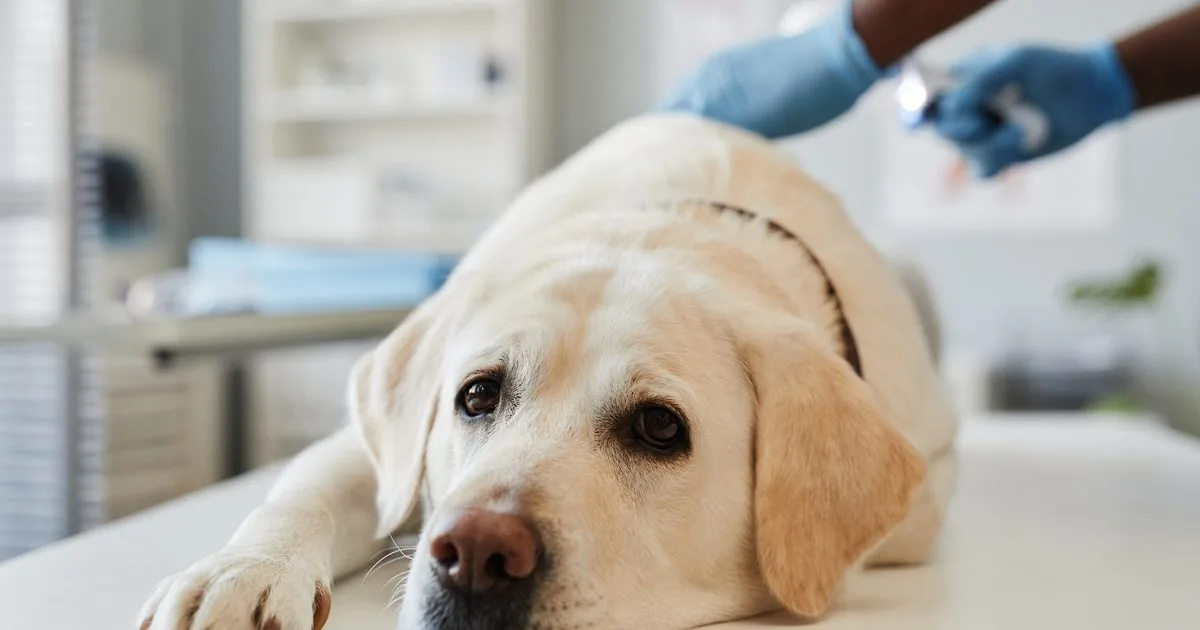

Pet insurance covers a wide range of veterinary emergencies, from broken bones and sudden illness to poisoning and foreign body ingestion. The exact answer for your pet depends on your policy’s terms, including exclusion periods, pre-existing conditions, and any sub-limits, so it pays to know what’s actually in your policy document or Product Disclosure Statement (PDS) before you need it.
If you’re reading this because your pet is behaving strangely and you’re starting to panic, take a breath — we’ll walk you through what typically counts as an emergency, and exactly what’s covered under Knose Pet Insurance.
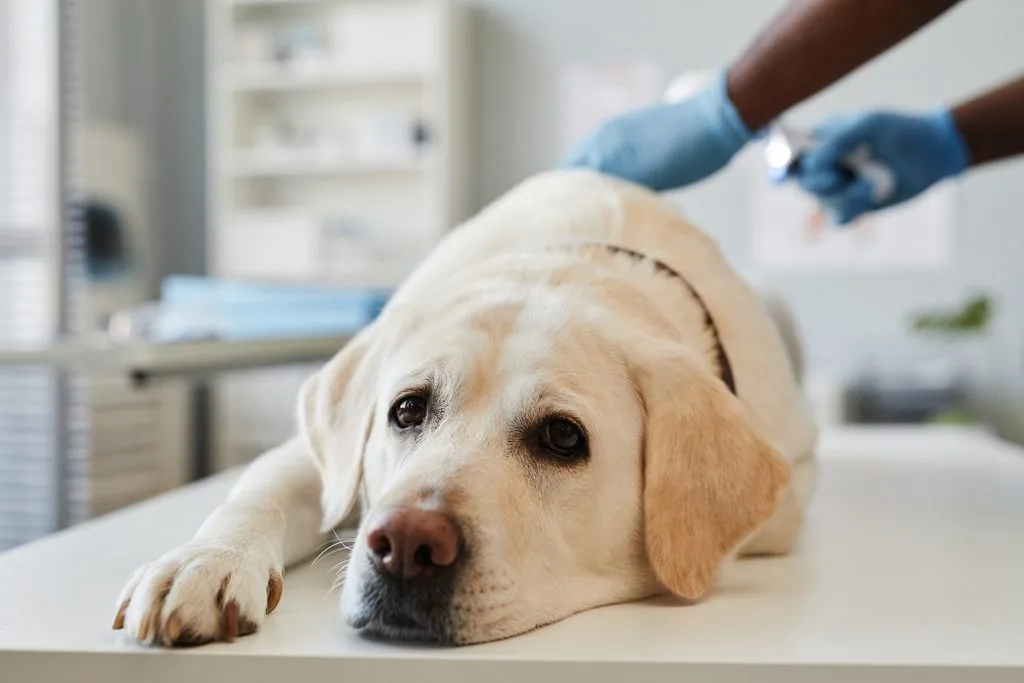
Is this a pet emergency? Signs to watch for
Not every vet visit involves an emergency, but for some symptoms, you shouldn’t wait for a normal appointment. Common signs include:
- Signs of pain — crying out, limping, refusing to move, or unusual restlessness and anxiety.
- Seizures — muscle twitching, stiffening, or collapsing. A seizure lasting more than five minutes is a medical emergency.
- Persistent coughing, vomiting, or diarrhoea — especially overnight coughing (can signal respiratory or heart issues) or repeated vomiting/diarrhoea (can indicate parasites, toxins, or infection).
- Laboured breathing — can point to lung issues, heart disease, or injury.
- Inability to urinate or defecate — straining with no result, or a bloated abdomen, can mean a life-threatening urinary obstruction.
- Sudden collapse or loss of balance — can be caused by heart issues, neurological conditions, or tick paralysis.
- Swallowing a foreign object — toys, socks, and other household items can cause blockages. Watch for vomiting, appetite loss, and abdominal pain.
- Bloat (Gastric Dilatation & Volvulus/GDV) — the stomach twists, causing restlessness and a visibly distended abdomen.
If your dog or cat is showing any of these signs, get them seen by a vet urgently. Need general advice first? You can call Knose hotline for guidance any time, day or night, before deciding whether an emergency visit is needed.
Types of emergencies covered by Knose Pet Insurance
Most emergency pet insurance plans (including Knose Pet Insurance plans) cover a broad range of incidents. Here’s how the common scenarios work for Knose Pet Insurance:
| Covered by Knose | What it means |
|---|---|
| Injuries | Broken bones, cuts, and internal injuries from accidents like car incidents or falls. The injury must occur after your policy’s effective date and be unrelated to any pre-existing condition. |
| Sudden illnesses | Severe conditions like pancreatitis, seizures, or poisoning, provided they occur after the exclusion period and aren’t linked to a pre-existing condition. |
| Foreign body ingestion | If your pet eats something it shouldn’t — toys, socks, toxic substances — cover can help with the emergency surgery costs. |
| Severe allergies reactions | Whether from a bee sting, medication, or food, rapid treatment can save a pet’s life, and having cover helps with financial management. |
What isn’t covered
Pre-existing conditions aren’t covered — depending on whether the condition is curable or chronic, it may be reassessed for future cover after a health evaluation, but chronic or hereditary conditions are generally excluded for good.
Routine care (vaccinations, annual check-ups) and elective procedures (desexing, grooming) also sit outside standard Knose Pet Insurance cover.
Two things worth knowing: Knose doesn’t apply sub-limits to individual conditions or treatments, so you won’t hit a specific cap on a procedure. And if your pet needs more than what the Knose standard cover provides, optional extras* are available for things like dental care or behavioural conditions.
*Optional extras must be added when your pet is younger than 2 years and 364 days, and these may have their own exclusion periods (e.g. 6 months for dental illness or behavioural conditions).
The 10 most commonly claimed conditions in 2025
Curious what pet owners actually end up making claims for? Based on Knose’s 2025 claims data, here are the conditions dogs and cats were treated for the most regarding their claims. Some are sudden, one-off emergencies. Others are long-term conditions that need ongoing management rather than a single fix.
Either way, every one of them is a reminder that pets deserve the right attention and quality care when something isn’t right — whether that’s a mad dash to the emergency vet or a condition you’ll be managing together for years.
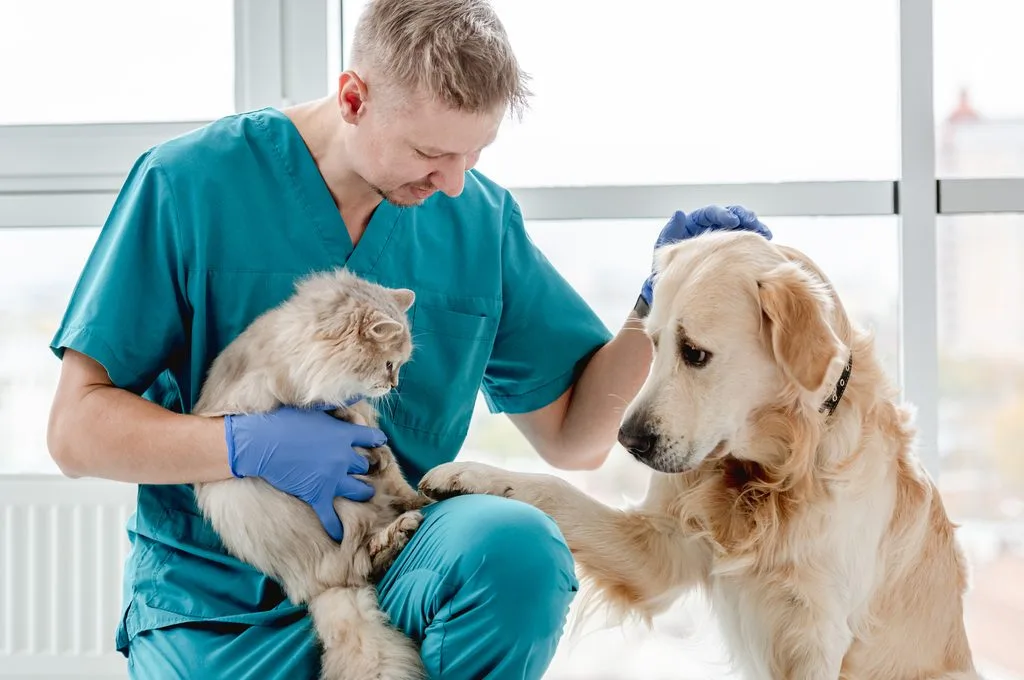
Dogs — top 10 most claimed conditions
- Gastro-intestinal/digestive system disorders — Vomiting, diarrhoea, or a sudden tummy upset, often from scavenging, a diet change, or an infection. Usually short-lived, but can be an emergency if it’s severe, persistent, or paired with lethargy.
- Skin disorders — Dog allergies, hot spots, and infections that cause itching and irritation. Often a long-term condition that flares up and needs ongoing management rather than a single emergency visit.
- Ear disorders — Infections and inflammation, especially common in floppy-eared breeds. Usually manageable, but can become recurring and need consistent care to keep under control.
- Leg, hip and shoulder disorders — Ranges from a sudden sprain or torn ligament (an emergency) to arthritis or joint issues that build up over time and need long-term care.
- Eye disorders — Infections, irritation, or injury. Sometimes urgent (a scratched cornea needs prompt treatment), sometimes a chronic, lower-grade condition like dry eye.
- General disorders — A broad bucket covering things like fevers or lethargy — vague symptoms that still warrant a vet visit to find the cause.
- Anal disorders — Most often anal gland issues. Rarely a true emergency, but a recurring condition many dogs need help managing throughout their life.
- Tumours, warts, cysts, growths and abscesses — Lumps and bumps that always deserve a vet check. Some need nothing more than monitoring; others (like an infected abscess) need urgent treatment.
- Urinary system disorders — Infections or blockages. Can escalate quickly into a genuine emergency, particularly if a dog is straining to urinate with no result.
- Feet and claw disorders — Cuts, torn nails, or irritation between the toes. Usually treatable, though some cases become a recurring nuisance that needs ongoing care.
Cats — top 10 most claimed conditions
- Gastro-intestinal/digestive system disorders — Vomiting or diarrhoea, whether from something eaten, a dietary sensitivity, or infection. Can be a one-off or a sign of an ongoing sensitivity to manage.
- Respiratory system disorders — Coughing, sneezing, or laboured breathing, including cat flu. Can turn serious quickly, especially in kittens and older cats.
- Urinary system disorders — Cystitis or a blocked bladder. One of the more serious cat emergencies, particularly in male cats, where a blockage can become life-threatening within hours.
- Skin disorders — Cat allergies and dermatitis that cause itching or irritation, usually needing ongoing management rather than a single treatment.
- Eye disorders — Conjunctivitis, injury, or irritation. Can be minor or urgent depending on the cause.
- Infections and infectious disease — Cat flu and other infections that can come on suddenly and hit young or immunocompromised cats hardest.
- General disorders — Vague symptoms like lethargy or fever that need a vet visit to properly diagnose.
- Ear disorders — Infections or mites. Usually manageable, sometimes recurring.
- Mouth and oral disorders — Dental disease and gum inflammation. Typically a slow-developing, long-term condition rather than an emergency.
- Leg, hip and shoulder disorders — Can be a sudden injury (a fall, a fracture) or a longer-term mobility issue like arthritis.
Whatever’s going on with your pet — an emergency dash to the vet or a condition you’ll be managing for the long haul — the right cover means the focus stays on their care, not the cost.
FAQs: Pet insurance and emergencies
Does pet insurance cover emergency vet visits?
Yes, in most cases — provided the reason for the visit isn’t a pre-existing condition and falls outside any exclusion period, subject to your policy’s terms and conditions. Emergency consultations, diagnostics, and treatment for covered injuries and illnesses are generally included.
Does pet insurance cover emergency surgery?
Yes. Emergency surgery for things like foreign body ingestion, bloat, or accident-related injuries is typically covered, subject to your policy’s terms and exclusion periods.
Does Knose pet insurance cover pre-existing conditions?
No. However, a pre-existing condition may be reassessed for future cover after a health evaluation if it’s curable, but chronic or hereditary conditions are usually excluded from cover altogether.
Are there caps on individual emergency treatments?
Not with Knose — there are no sub-limits on individual conditions or treatments, so a single expensive treatment won’t hit a hidden cap within your overall benefit.
