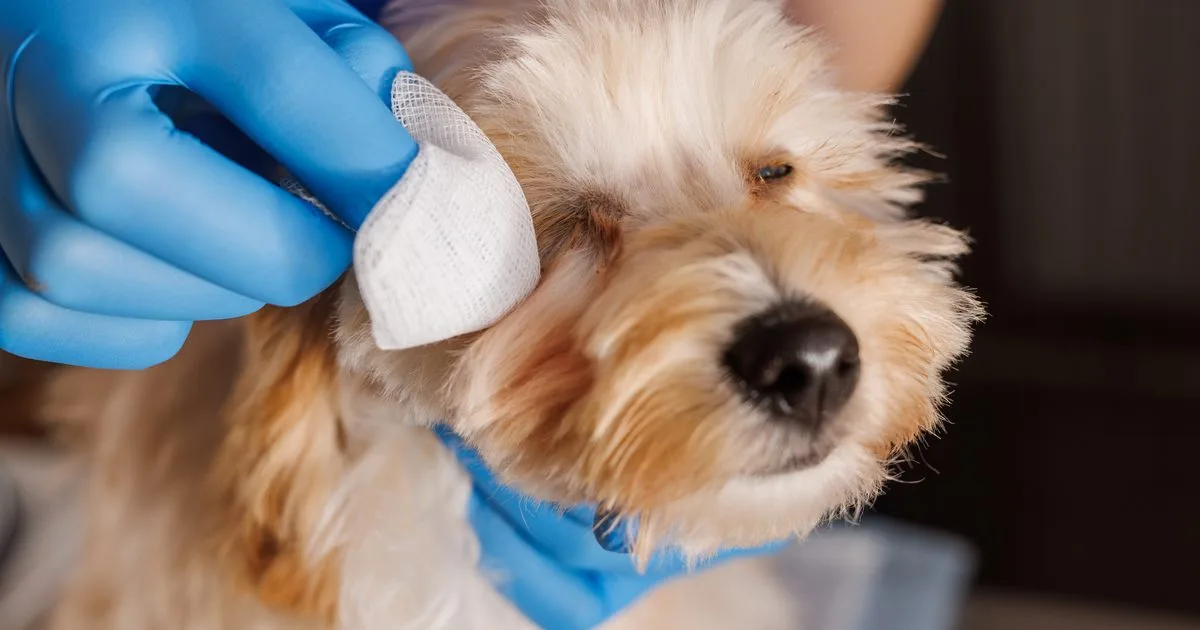

Most new puppy owners picture the same handful of vet visits: the first vaccinations, the desexing appointment, maybe a microchip check. However, our pet insurance data tells a very different story.
Somewhere in that first year, something unexpected (almost always) happens: An upset tummy that won’t settle, a paw that won’t stop being licked, an ear that suddenly smells off — and the real, unplanned cost of puppyhood shows up.
Here’s what actually sent Knose-insured puppies (dogs under 1 year old) to the vet in 2025, ranked from most to least common, and what those visits really cost.
1. Gastro-intestinal and digestive disorders
| VET BILL ($, incl GST) | KNOSE PAID ($) | ||
| Common range | Max | Common range | Max |
| $171 – $637 | $13,334 | $122 – $507 | $12,001 |
By a wide margin, this is the most commonly claimed group of conditions — more than double the next on this list.
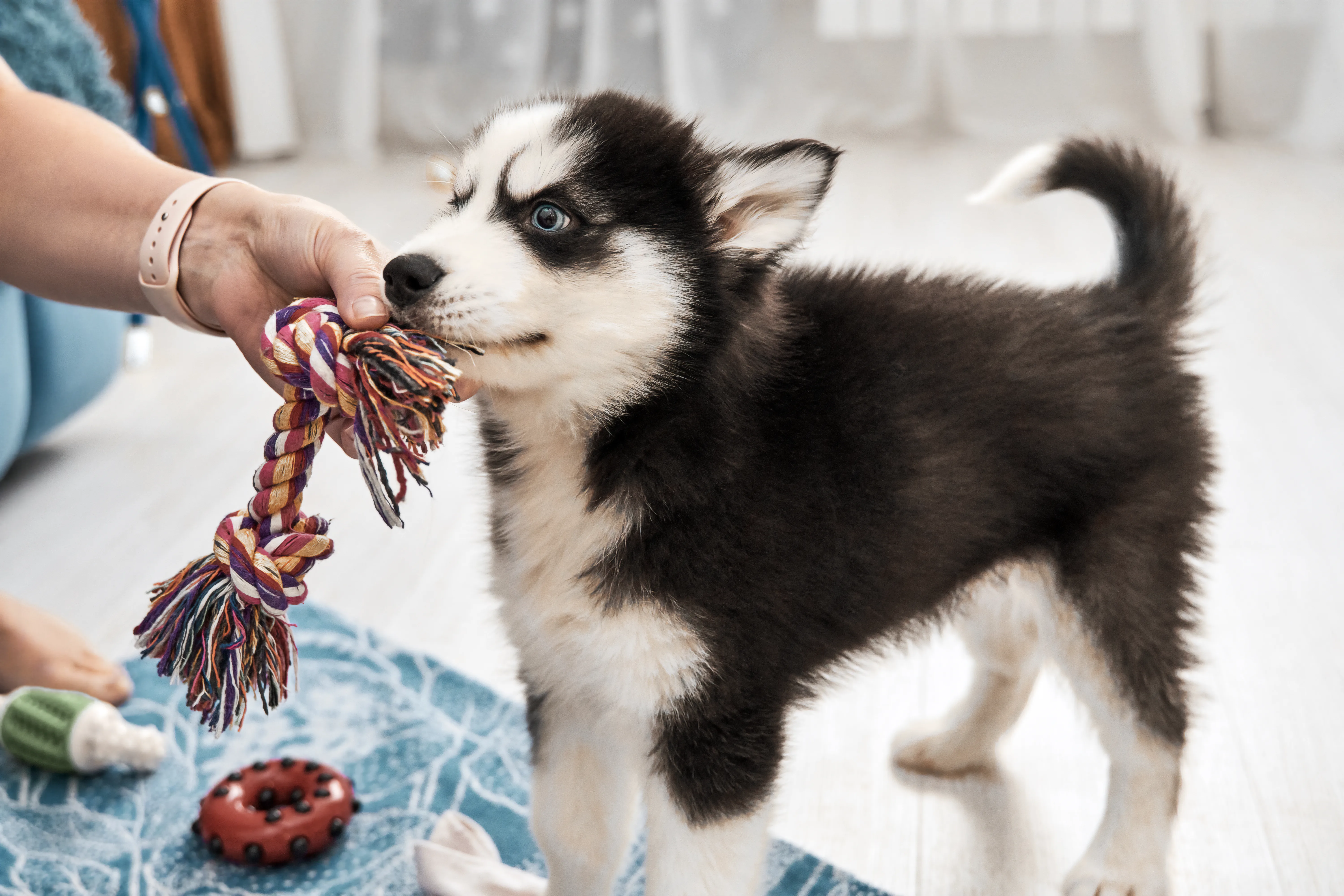
Puppies explore the world mouth-first, so this usually means something they ate that they shouldn’t have, a sudden food change, or a parasite. Most cases are a straightforward one-off vet visit, though the occasional foreign-object swallow can push the bill into the thousands.
🎾 Skip the bouncy balls as dog toys. Dogs can swallow balls whole, which might mean an emergency vet visit and surgery to remove them. It’s one of the most common preventable emergencies we see!
2. Ear disorders
| VET BILL ($, incl GST) | KNOSE PAID ($) | ||
| Common range | Max | Common range | Max |
| $132 – $277 | $4,801 | $81 – $211 | $3,360 |
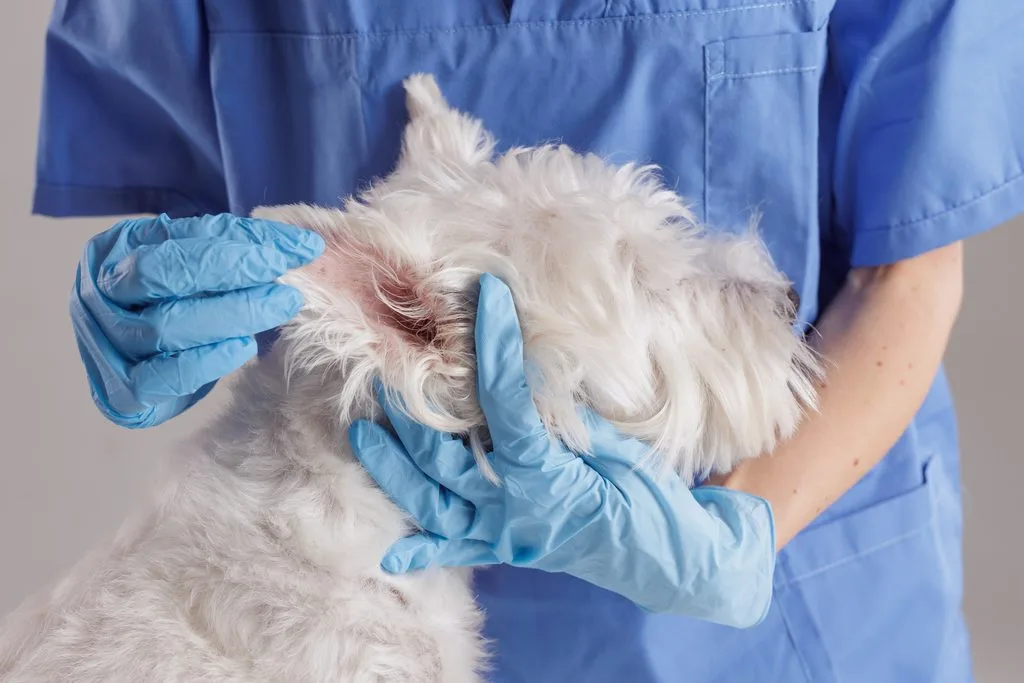
Ear infections are consistently one of the most common conditions we see across all ages, not just puppies, and they tend to cluster around seasonal changes.
🐶 Floppy-eared breeds are particularly prone to ear infections, and it may come down to simple anatomy: ears that hang down instead of standing upright trap warm, moist air inside the ear canal, creating the perfect environment for yeast and bacteria to thrive.
Cavalier King Charles Spaniels and Cavoodles are classic examples — their long, low-set ears may restrict airflow, and the extra hair growing down into the canal traps even more moisture.
Labrador Retrievers land on this list for a slightly different reason: Their love of swimming can mean water gets into the ear canal. If not dried out properly between dips, that dampness sets up the same conditions for infection.
(There are other causes of ear infections such as skin allergies or grass seeds as well).
3. Skin disorders
| VET BILL ($, incl GST) | KNOSE PAID ($) | ||
| Common range | Max | Common range | Max |
| $126 – $278 | $2,995 | $83 – $216 | $2,396 |
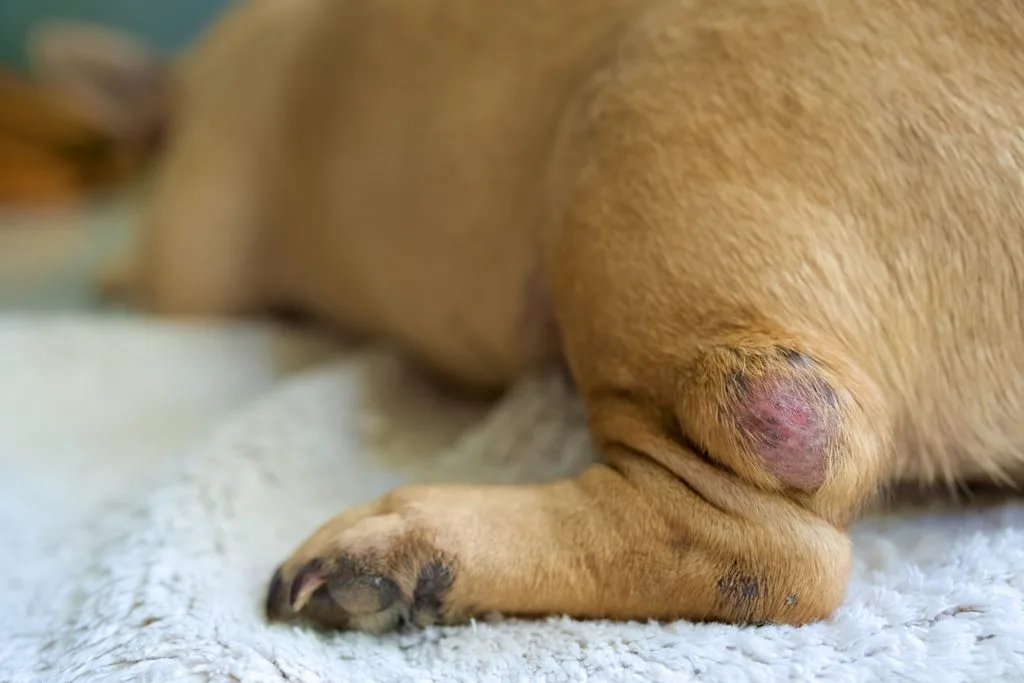
Skin issues often overlap with the allergies further down this list — itchy skin, ear irritation and coat problems tend to show up together, especially in breeds prone to sensitivities.
How Knose can help cover a Cocker Spaniel’s skin condition
Cocker Spaniels are commonly insured as puppies, and this reflects a typical long-term claims pattern we see in the breed.
The bulk of these claims trace back to ongoing skin allergies and a couple of smaller issues common in Cocker Spaniels. Across a policy like this, vet bills over several years commonly add up. In the case of a six-year-old Cocker Spaniel, insured with Knose since puppyhood, the total could go up to $37,000, with Knose covering the majority of it (based on the policy built by the pet-owner).
Because cover was already in place before any of these conditions began, none of them became a pre-existing exclusion — which is really the point of insuring a puppy early: you don’t know which allergy, injury or infection will show up over their life, but the cover is there before any of it starts.
This example is based on real Knose claims data, not one individual customer’s policy, with no guaranteed outcome.
4. Leg, hip and shoulder disorders
| VET BILL ($, incl GST) | KNOSE PAID ($) | ||
| Common range | Max | Common range | Max |
| $149 – $1,175 | $14,000 | $116 – $1,000 | $11,200 |
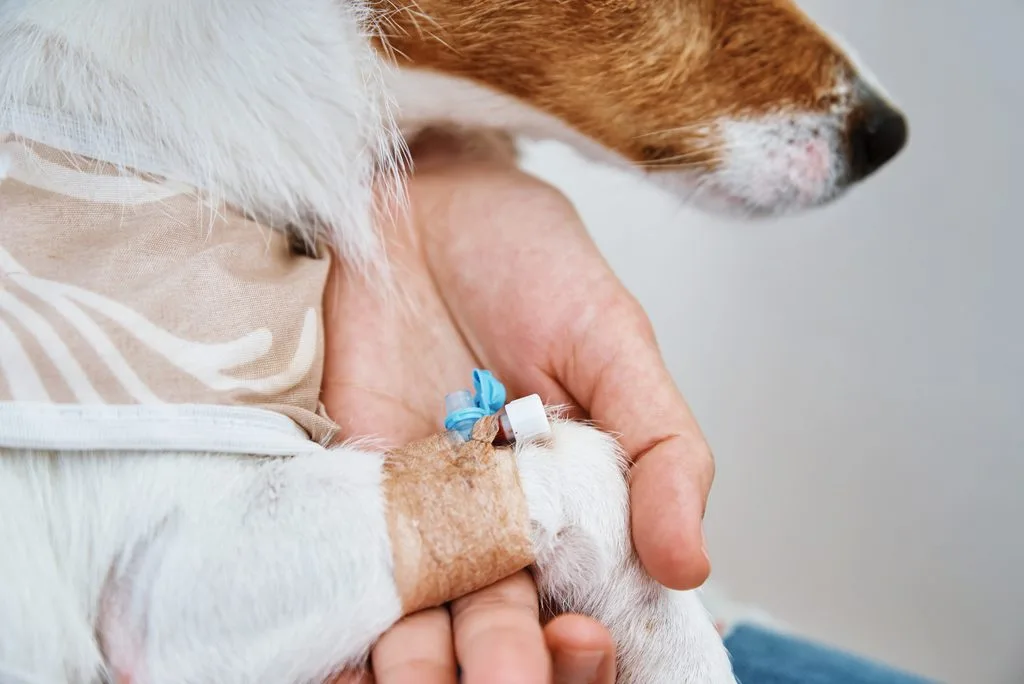
This is where it’s worth slowing down. Leg, hip and shoulder disorders are only the 4th most common claim for puppies, but they have, by far, the widest cost spread of any condition on this list — from a modest $149 up to $14,000 for the most expensive case we saw.
This is where orthopaedic conditions like hip dysplasia (a Specified Condition) show up, something we’ve written about in detail in Winter’s story, where a young Australian Shepherd’s hip dysplasia treatment alone came to nearly $6,000.
Growing joints, especially in medium and large breeds, are simply more vulnerable to a big, unexpected bill than a routine ear or tummy issue.
5. Eye disorders
| VET BILL ($, incl GST) | KNOSE PAID ($) | ||
| Common range | Max | Common range | Max |
| $128 – $240 | $5,282 | $75 – $182 | $4,754 |
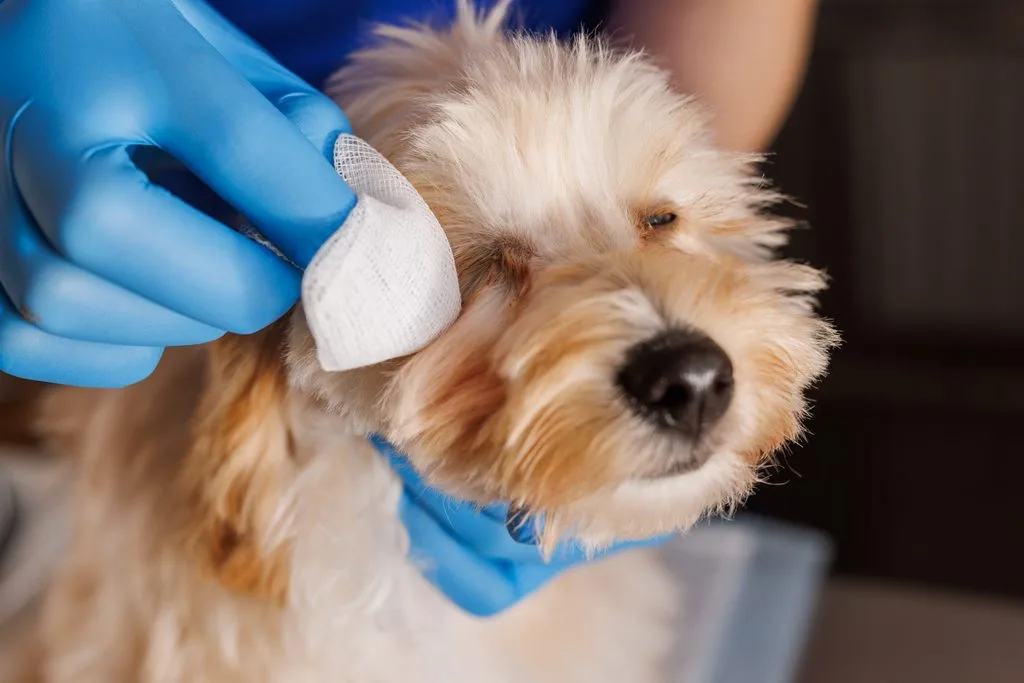
Puppies are curious and low to the ground, which makes scratches, irritation, and minor infections common. Most cases are inexpensive to treat, though the occasional corneal injury can climb well beyond the typical bill.
How a Snake Bite Led to a Golden Cavalier’s $9,000 Eye Injury
Based on a real Knose claim — some details have been changed to protect the customer’s privacy.
A young Golden Cavalier was bitten by a snake in an encounter that could have easily been fatal without fast treatment. The snake’s fang punctured his cornea on the way in, and that puncture progressed into a tear in the corneal surface.
He needed treatment for two things at once: the systemic venom effects and the eye injury. The total vet bill for treating both came to just over $9,300. With a 90% benefit percentage, Knose covered around $8,200 after the annual excess.
This is exactly the kind of unpredictable event pet insurance is for.
What this means if you’ve just brought a puppy home
Across every condition on this list, Knose helped cover the eligible portion of these vet bills. That holds whether it’s a $200 ear infection or an $18,000 emergency — which is really the point of insuring a puppy early.
A few practical, low-cost things do help in the meantime:
- Puppy-proof anything chewable or swallowable — it’s the single biggest driver of vet visits on this entire list.
- Check ears regularly, especially around seasonal changes, and dry them properly after baths or swims.
- Go easy on high-impact exercise (jumping, long runs, stairs) while joints are still developing, particularly for medium and large breeds.
- Don’t wait out a limp or a head-shake — orthopaedic and ear issues are both far cheaper to treat early than once they’ve become chronic.
None of this removes the chance of an expensive year. That’s what a policy is for — so that when something does go wrong, you can make better decisions about your puppy’s care.
Data note: All figures in this article are from Knose’s own 2025 full-year claims data for dogs aged 0–1, covering approved or partially approved claim-condition cases. “Vet cost” is the full invoice amount including GST; “Knose paid” reflects the actual benefit paid, excluding cases fully absorbed by the policy excess.
