
Halloween comes with the usual warnings about toxic foods for pets, like chocolate. While most pet owners know to keep the treat bowl out of reach, Halloween can still bring plenty of surprises. A busy night at home can be a lot for pets to take in, especially when things look and sound a little different than usual.
Festivities can look very different through a pet’s eyes, and some of the less obvious risks are easy to overlook. A little preparation can help you spot potential trouble before the costumes come out and the first trick-or-treaters arrive.
Why Halloween can be dangerous for pets
Halloween can change the usual rhythm at home. There may be more activity than your pet is used to, with unfamiliar sounds and people appearing at the door throughout the evening. All that excitement can make even the most curious pet a little unsure of what’s going on.
Some pets will happily carry on as usual. Others can become anxious, frightened or overly excited, more so if they’re young, older or not used to visitors. And when pets are stressed or distracted, they’re more likely to hide, bolt through an open door, or hurt themselves in the commotion.
There’s also a lot more around the house to catch their attention. Candies are often left within easy reach, and wrappers have a way of ending up on the floor. To a curious pet, it can look a lot like the treats were put out just for them.
But that doesn’t mean you need to cancel Halloween. It just helps to know where the less obvious risks can turn up.
Halloween risks that are easy to miss
The night can bring plenty of other hazards that aren’t always on a pet owner’s radar. A curious or excited pet can quickly turn an innocent part of the evening into a vet visit. Here are a few risks lurking behind the Halloween fun.
1. Pets slipping out the front door
On a busy Halloween night, the front door can open dozens of times in a few hours. Sometimes it only takes one knock and a shriek of laughter for a nervous dog or cat to bolt, and they can be out and gone in seconds.
And once they’re outside, there’s more to worry about than finding their way home. In Australia, Halloween falls in spring, which is also peak tick season. Paralysis ticks are found along the east coast and can pose a serious risk to pets exploring unfamiliar areas.
A few things to sort out before the first knock:
- Check their ID. Make sure your pet’s collar tag has your current mobile number, and that their microchip details are up to date.
- Puppies and pets who get worked up by the doorbell may be more likely to dash outside. A baby gate or a closed room further inside the house can give them a safe space away from the action.
- Do a tick check if they get out. Run your fingers through their coat, paying close attention to the head, neck, ears and between the toes. If you find a tick, or notice wobbly back legs, a change in their bark or meow, gagging or laboured breathing, see your vet straight away.
If keeping up with tick prevention is the hard part, a Knose Pet Care Plan bundles paralysis tick prevention into a flat monthly fee, so your pet stays protected through the peak of tick season.
2. Costumes make familiar people unrecognisable
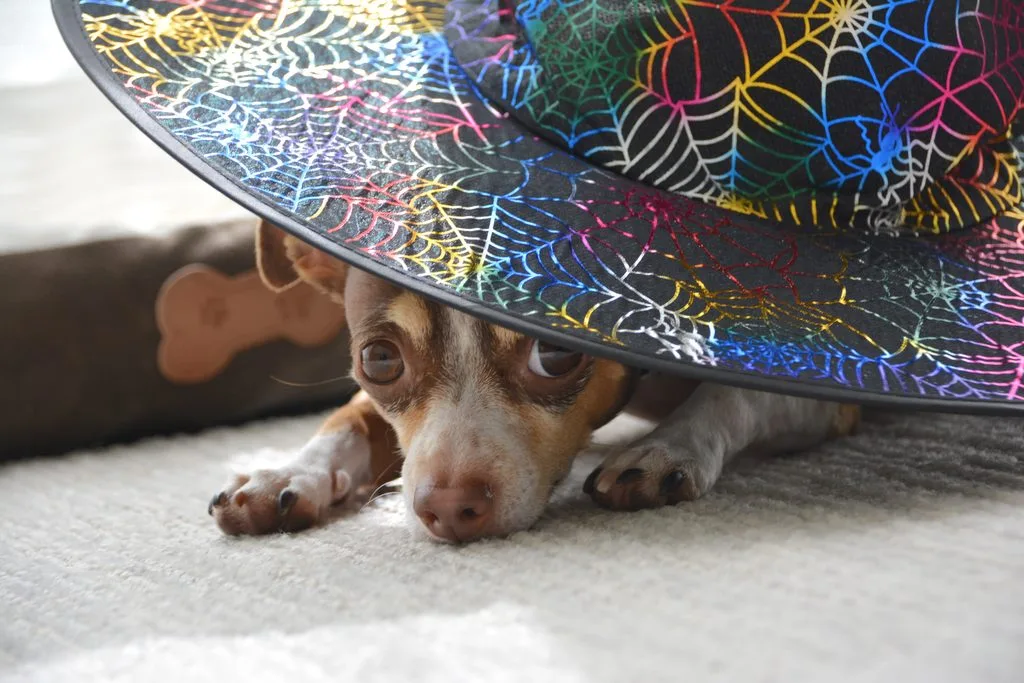
Pets recognise us by our faces, our voices and the way we move. Pop on a mask, a wig or a big witch’s hat, and the person they adore can suddenly look and sound like a stranger. Some pets take it in their stride. Others can become frightened, which may show up as barking, growling, hiding or even snapping at someone they normally love.
To help your pet feel at ease:
- Introduce costumes early. Lay the outfit on the floor a few days before and let your pet sniff it at their own pace. A treat or two nearby helps build a happy association.
- Take the mask off around them. Let your pet see your face before you lean in for a pat, and pull the mask off if they seem unsure.
- Keep your voice calm and familiar. Say their name in your usual tone so they know it’s you underneath.
For most pets, a scary costume is a one-night wobble. If fear or anxiety becomes an ongoing problem, Knose’s optional behavioural conditions benefit can help cover vet treatment for issues like anxiety and aggression for eligible policies.
3. Glow sticks and light-up accessories
Glow sticks are a trick-or-treat favourite, and cats in particular seem to find them irresistible. They bat them across the floor, then bite down.
The liquid inside is usually low in toxicity. However, it tastes very bitter, and Pet Poison Helpline notes that a single bite can cause heavy drooling, gagging and retching. You might also see your pet pawing at their mouth or racing around in a panic.
Light-up toys, flashing collars and glowing costume pieces are a bigger worry. Many run on small button batteries, which can cause serious burns inside the mouth, throat and stomach if chewed or swallowed.
Here’s what to do:
- Keep glow sticks and light-up items out of reach. Pop them in a drawer or high shelf when the kids come home from trick-or-treating.
- If your pet bites a glow stick, gently rinse their mouth with water, offer a small tasty treat to help clear the bitter taste, and wipe any liquid off their fur so they don’t lick more off while grooming. Reach out to a vet if you need medical assistance.
- If a battery is missing, don’t wait for symptoms. See your vet straight away.
It’s not always easy to tell whether something is a vet emergency or just a fright. Knose members can call the 24/7 Pet Health Hotline any time, day or night, to talk it through with a registered vet nurse.
4. Candles and electrical decorations
A glowing jack-o’-lantern looks the part, but an open flame and curious pets aren’t the best pairing. A wagging tail can send a candle flying, while a cat may get close enough to singe a whisker.
Inside the house, fairy lights, extension, and plug-in decorations mean more cords around the house. To a teething puppy, that tempting tangle can look a lot like a chew toy. PetMD says chewing electrical cords is the most common cause of electrical injuries in pets, with most cases involving animals under two. If your pet takes a bite of a live cord, skip the tricks and head to the vet.
A few simple swaps make a big difference:
- Switch to LED candles. Battery-powered tea lights glow just as nicely inside a pumpkin, with no flame to knock over. Just keep the batteries out of reach.
- Tape down, cover or raise cords. Run leads along skirting boards, use cord covers, or keep decorations up high where little mouths can’t reach.
- Switch off at the wall when you’re not around to supervise.
If the worst does happen, Knose pet insurance includes cover for eligible vet costs if your pet is injured in an accident, subject to the policy terms, conditions, limits, exclusions and exclusion periods in the PDS.
5. Fake cobwebs and small decorative pieces
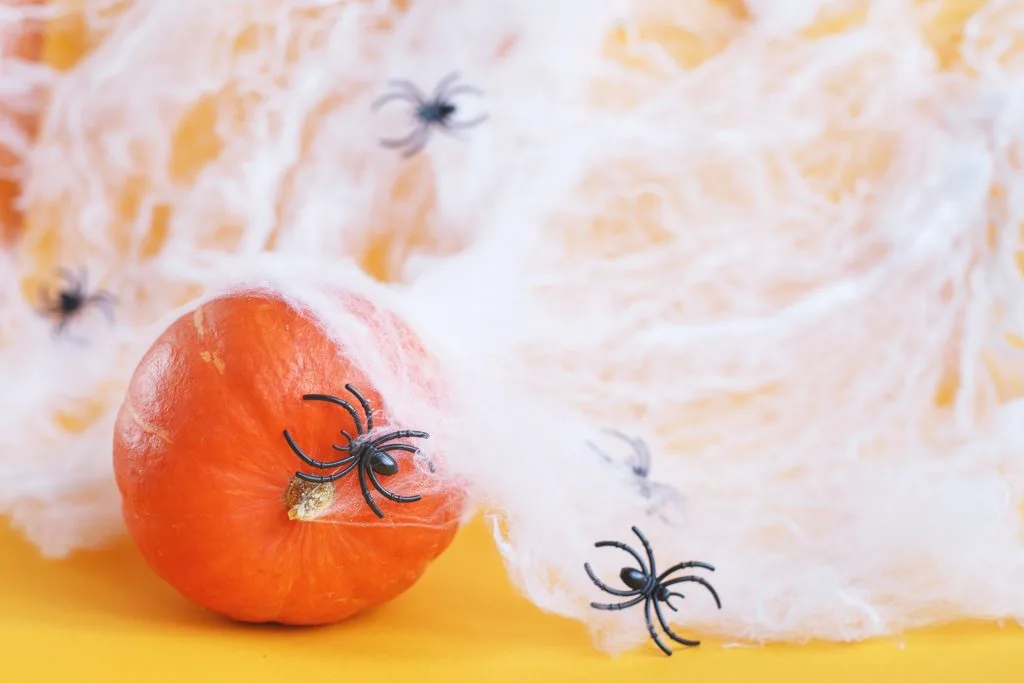
Stretchy fake cobwebs add instant spooky points, but they can cause trouble if a pet decides to eat them. Once swallowed, the strands can act like a string inside the gut.
The same goes for those little Halloween extras. A plastic spider or rubber eyeball can look like an intriguing toy to a curious pet. They’re just the right size for a curious pet to pick up and swallow.
To keep the decorations spooky and safe:
- Decorate above pet height. Shelves, mantels, and windowsills your pet can’t reach are your friends.
- Skip cobwebs where pets can get to them, both inside and in the garden.
- Do a sweep afterwards. Check the floor, couch cushions and the front path for stray bits the morning after.
- Watch for warning signs. Vomiting, a sore tummy, going off their food, or something hanging from their mouth or bottom all mean a call to your vet. Never pull on a string or strand you can see, as this can cause internal damage.
Pets have a habit of eating things they shouldn’t, something vets refer to as dietary indiscretion. If something they swallow needs to be removed, Knose can help with eligible veterinary costs.
6. Slips, leaps and tumbles in the excitement
Every knock at the door is a reason for an excited dog to sprint down the hallway.
Sudden twists and awkward landings can strain muscles and joints, and the knee is especially vulnerable. Active dogs who love hiking, agility or a good zoomie are often most at risk, simply because they move fast and jump high.
To keep everyone on their feet:
- Add grip to slippery floors. A rug or runner along the hallway and near the front door helps paws stay put.
- Clear the path. Keep decorations off steps and walkways, and light up the route to the front door.
- Walk earlier in the evening. A daylight or dusk walk on familiar paths is safer than dodging trick-or-treaters on dark, uneven footpaths.
- Watch for limping. If your pet is holding up a leg, struggling to stand from a sit or reluctant to jump, rest them and book a vet visit.
Knose accident cover helps with the vet costs of treating an injury. For recovery, the optional specialised therapies benefit goes beyond conventional treatment. It’s especially useful for pets recovering from injury or managing chronic pain, and for active pets.
Keep your pets safe all year round
Halloween is a good reminder to keep an eye out for hazards, but pets don’t save their mischief for one night a year. Curious noses and quick paws can find trouble any day, often when you least expect it. The same care you take this Halloween can help keep them safe long after the decorations come down.
Nobody knows your pet quite like you do. You can often tell when they’re just a bit off before anyone else would notice. If your gut tells you something isn’t right, it’s worth listening to.
Knose members can call our 24/7 Pet Health Hotline for expert advice any time of day or night, and Knose Pet Insurance can cover eligible vet treatment when your pet is sick or injured.
Here’s to a happy, healthy and hauntingly good Halloween!
Halloween pet safety FAQs
1. When is paralysis tick season in Australia?
Spring is the peak time for tick paralysis in dogs and cats, but cases happen all year round. Ask your vet about year-round prevention that suits your pet and where you live.
2. What should I do if my dog eats chocolate?
Call your vet straight away and tell them what type of chocolate it was, roughly how much and your dog’s weight. Dark chocolate is more dangerous than milk chocolate, and small dogs can become unwell from smaller amounts.
3. Is xylitol dangerous for cats as well as dogs?
Xylitol is most dangerous for dogs. The Animal Referral and Emergency Network says it doesn’t appear to be as dangerous for cats, but it’s still best to keep sugar-free products away from all pets.
4. Can I put my pet in a Halloween costume?
Only if they’re truly comfortable in it. A themed collar or bandana is a low-stress way to join in. Any costume should fit well, shouldn’t restrict movement, hearing or breathing, and your pet shouldn’t be left unsupervised while wearing it.
