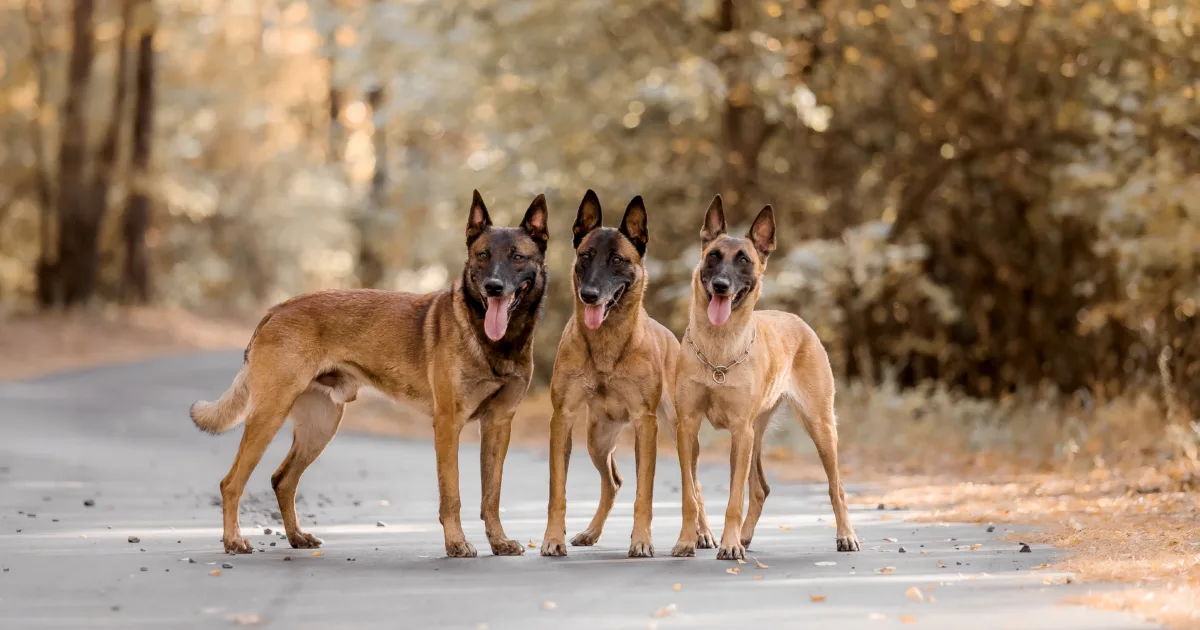

Knose has made a donation to Working Paws Australia to help cover vet treatment, medication and rehabilitation for retired military working dogs. It’s our thank you to the dogs who served, and to the handlers and families who gave them a home.
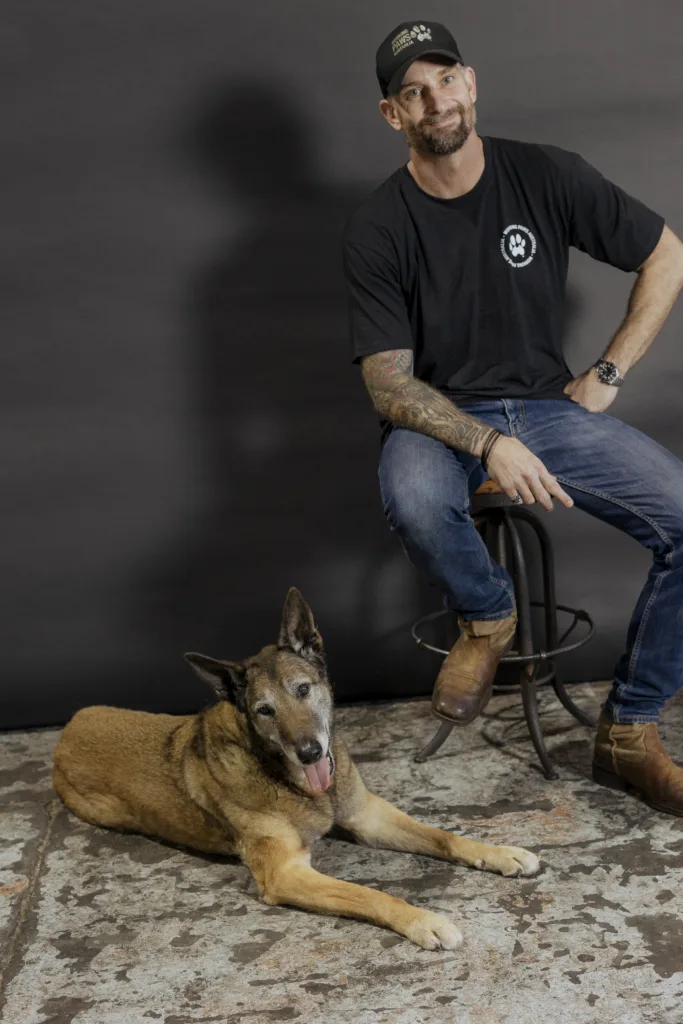
Caring for these dogs once the harness comes off is what Working Paws Australia does, and for co-founder and chairman Ryan Wilson, the work is deeply personal.
“I’ve known several military working dogs that served in Afghanistan, and I owe my own life to one,” he says. “His name was Fax.”
During a contact in Afghanistan, Fax saved Ryan’s life and lost his own. Ryan has carried that experience with him ever since, and it shapes everything he does with Working Paws Australia.
“So when we talk about military working dogs serving alongside Australian soldiers, for me those aren’t just words. I’ve experienced it.”
A charity built by working dog handlers
Working Paws was started by former military working dog handlers. They knew the bond between a handler and a dog first-hand, and what can happen once that dog’s service comes to an end. The charity is based in Perth, but it supports retired military working dogs and their handlers right around Australia.
Working Paws helps with vet treatment, medication, rehabilitation and the other costs that come with caring for these dogs as they get older.
“For the handler who brings that dog home, they’re not bringing home a piece of retired military equipment,” Ryan says. “They’re bringing home their mate.”
That comes with an emotional responsibility to give the dog the best retirement possible. As the years go on, it can come with a serious financial one too. At Knose, we see every day how quickly pet costs can add up as dogs get older, and that’s a big part of why this cause matters to us.
Meet the military working dog breed
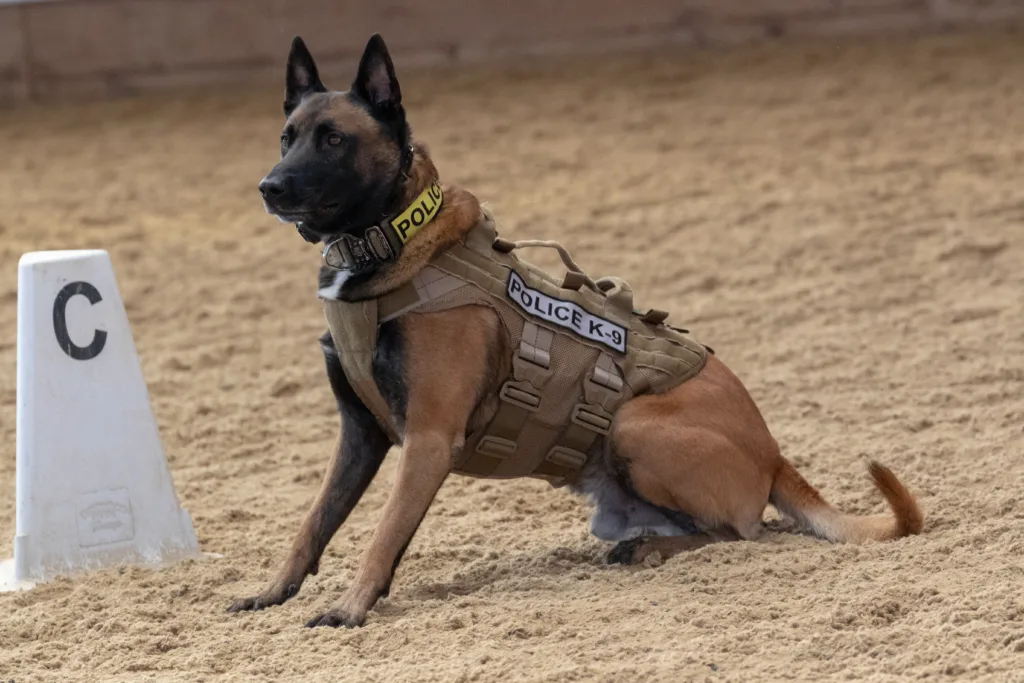
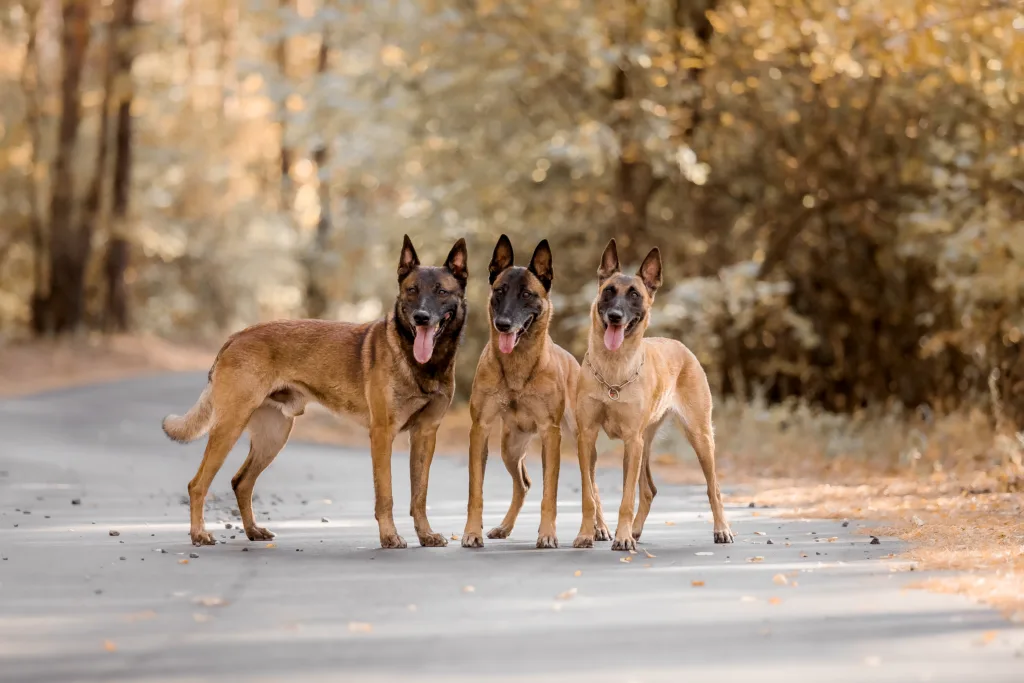
Most of the dogs Working Paws supports are Belgian Malinois or German Shepherds, with the occasional Labrador. The Malinois is the breed most people picture when they think of a modern military working dog.
The breed started out in Belgium as a working and herding dog, bred for intelligence, stamina and a love of the job. Malinois are leaner and lighter than German Shepherds, but they’re fast, agile and hugely athletic, with enormous drive and a real talent for training. Those qualities have made them a favourite of military and police units around the world.
“They’re definitely not just a German Shepherd with shorter hair,” Ryan says. “They’re a very particular type of dog, and understanding the individual animal is really important when it comes to giving them a good retirement.”
What happens to retired military dogs
A military working dog’s life revolves around its training, its handler and its work. Every day has structure and purpose. For some Australian dogs, that service has included deployments overseas. Ryan knows a retired SASR dog here in Perth who served multiple tours in Afghanistan. His handler is a good mate of Ryan’s.
“The dog doesn’t suddenly stop being a highly driven military working dog because somebody has declared it retired,” Ryan says.
That’s why he’s wary of the idea that retirement means a permanent spot on the couch. A Malinois needs physical and mental stimulation, and that need doesn’t disappear when working life does. Every dog is different, so getting to know each animal’s temperament, history and needs matters more than any one-size-fits-all plan.
As the years go by, a working life starts to show. Surgery, rehabilitation and ongoing medication become part of life for many retired dogs, and we’re grateful Knose can play a small part in getting them that care.
Beyond service: The bond between dogs and humans
One case has stayed with Ryan more than most. A family caring for a retired military working dog got in touch when he needed surgery. If Working Paws couldn’t help, they said, they might have to remortgage their home to pay for it.
“They weren’t asking whether the dog was worth spending the money on,” Ryan says. “In their minds, they were going to find a way to get him the treatment he needed.”
Working Paws stepped in to help with the surgery. The family could focus on getting their dog through the operation and his recovery, instead of lying awake over how to find the money.
It’s one of a number of emergency surgeries and major vet cases the charity has helped with, some costing thousands of dollars. For Ryan, these cases show what Working Paws is really for.
“It’s not simply paying a vet bill,” he says. “It’s looking after the dog, but it’s also taking a huge amount of pressure off the veteran and their family who have committed to looking after that dog for the rest of its life.”
What makes a good home for a retired working dog?
For Ryan, it starts with understanding the dog in front of you. That means structure, exercise, companionship and the right kind of stimulation. Most of all, it means a place where the dog will be looked after.
“These dogs have spent years having a purpose,” he says. “And I think there’s something particularly nice about seeing a dog that has spent its life working eventually getting the opportunity to just be a dog.”
Ryan wishes more Australians understood how much these dogs give, and that their service still matters once they retire. People see military working dogs on the job and admire them. What they don’t see is the same dog years later, needing medication or emergency surgery. They don’t see the handler or family sitting around the kitchen table, wondering how they’ll cover a major vet bill.
“So when I talk about the debt we owe these animals, I’m not speaking figuratively,” he says. “These dogs spent their working lives looking after us. The ones fortunate enough to come home deserve to know that we’ll look after them too.”
Knose and Working Paws: looking after the ones who came home
At Knose, we know how much a dog means to the people who love them, and these dogs have given more than most. We’re proud to support Working Paws in looking after them, and to help take some of the pressure off the families who took them home.
You can help too. When a retired dog suddenly needs surgery, there isn’t time to run a fundraiser and hope enough money comes in. Donations mean Working Paws can say “we’ll help” when that call comes. Spreading the word also helps, because the more Australians who know what these dogs have done, the stronger the support around them becomes.
“We want to make sure that a retired military working dog gets the retirement it deserves,” Ryan says, “and that the veteran or family looking after that dog isn’t left to shoulder the responsibility alone.”
At Knose, we believe every pet deserves great vet care, whether they’ve served their country or curled up on your couch. That’s why Knose Pet Insurance exists: to help Australian pet owners choose the right treatment. When your pet needs you, we want the choice to be about the best care you can give them.
