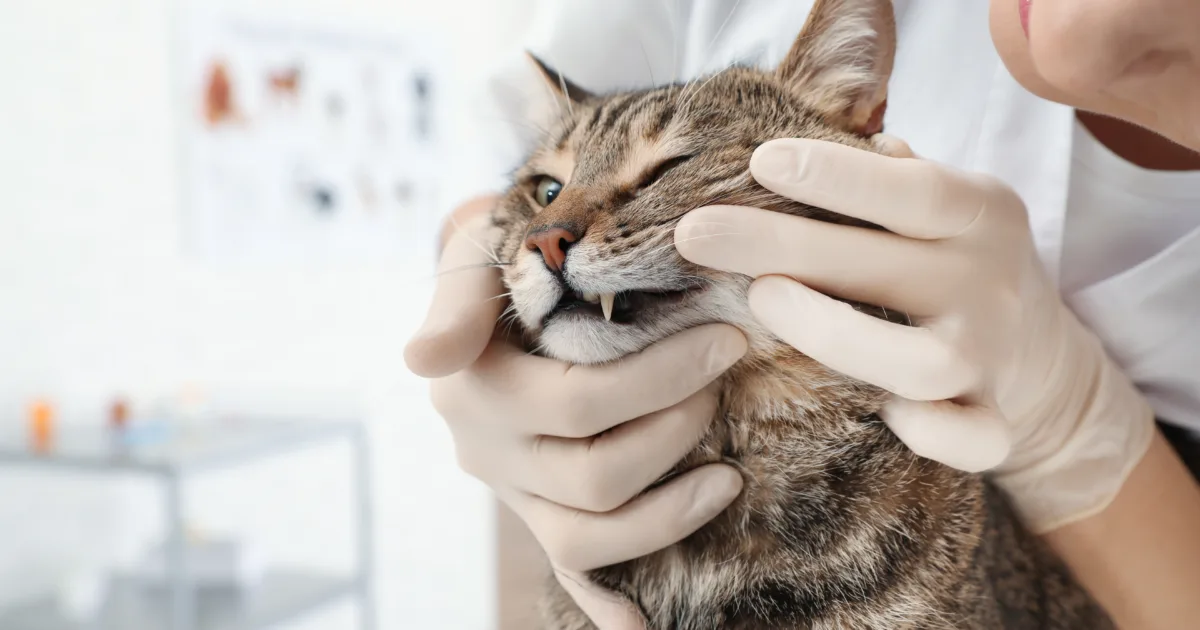

Every year, July marks a sharp rise in respiratory claims for Australian cats. Here’s what the data shows, what’s driving it, and what the numbers reveal about a condition every cat owner should know.

65%
More respiratory claims in winter (Jul–Sep) than in summer

$22,593
Highest single respiratory claim lodged in July 2025
As the temperature drops and Australian cats spend more time indoors, respiratory claims climb. In September 2025, they hit their highest monthly point of the year, followed closely by July claims.
For most cats, a winter respiratory infection is an uncomfortable but manageable illness. A week of sneezing, some eye discharge, a course of antibiotics and they’re back to their usual self.
But behind the typical cases sits a smaller number of claims that tell a very different story — claims that reached $5,000, $8,000, even $22,593 in a single month.
This blog dives deeper into what’s behind that spike, what the data shows about cost, and what Aussie cat owners need to understand about the condition that’s almost certainly driving the worst of it.
What the Claims Data Shows
Across 2025, Knose recorded cat respiratory claims as the second most claimed condition for cats after gut disorders. The pattern across the year is clear:
| Month | Typical Bill | Common Range | Highest Claim | |
| January | $206 | $163 – $511 | $1,840 | |
| February | $295 | $205 – $651 | $5,991 | |
| March | $323 | $181 – $453 | $1,724 | |
| April | $139 | $113 – $293 | $7,235 | |
| May | $193 | $128 – $396 | $1,861 | |
| June | $177 | $113 – $258 | $2,566 | |
| July | $243 | $134 – $654 | $22,593 | ⬆ PEAK |
| August | $212 | $113 – $443 | $5,078 | |
| September | $237 | $141 – $443 | $8,924 | ⬆ PEAK |
| October | $243 | $157 – $541 | $5,215 | |
| November | $330 | $206 – $534 | $3,717 | |
| December | $265 | $202 – $615 | $5,922 |
The typical bill stays relatively stable month to month (ranging $139–$330), but the maximum claims swing dramatically — and it’s in the winter months where the most extreme figures appear.
Cat Flu: The Common Culprit
The majority of winter cat respiratory claims are caused by what’s commonly called cat flu — upper respiratory infections driven primarily by two viruses: Feline Herpesvirus (FHV-1) and Feline Calicivirus (FCV).
Both are highly contagious, spread through direct contact and shared surfaces, and are particularly prevalent when cats are confined indoors during colder months.
These viruses are included in Australia’s standard F3 vaccine, and vaccinated cats are generally well protected against the most severe presentations. But there are three important caveats:
- The herpesvirus can remain dormant in a cat’s nervous system for life and reactivate during periods of stress — including the stress of cold, disrupted routine, or other illness. A vaccinated cat can still flare.
- Calicivirus has multiple strains, and vaccine coverage is not complete across all of them.
- No vaccine is 100% effective, and proper vaccination protocols as recommended by your veterinarian should be implemented
| Typical cat flu — what to expect from the data: |
| Typical vet bill: $139–$330 depending on severity and treatment required |
| Common range: $113–$654 — most straightforward cases sit at the lower end |
| Usual treatment: vet consultation, antibiotics (for secondary bacterial infection), eye drops, supportive care |
| Duration: most cases resolve within 7–14 days with appropriate treatment |
| Risk of recurrence: high in herpesvirus carriers — stress is the main trigger |
Why Does Winter Make Respiratory Infections Worse?
The winter spike in cat respiratory claims can be caused by several factors, but here’s what cat parents need to know:
- Indoor confinement concentrates viral load
When cats spend more time inside — particularly in households with multiple cats — the density of airborne viral particles increases. Cat flu viruses spread through sneezing and close contact.
- Cold stress triggers herpesvirus reactivation
Feline herpesvirus can lie dormant for years and reactivate when the immune system is under stress. Cold temperatures, reduced light exposure, and disrupted routines in winter are all recognised stress triggers. Cats that were infected months or years earlier can flare without any new exposure.
Being aware helps to understand hidden threats to your cat’s wellbeing!
Symptoms of Respiratory Infections
The challenge with cat respiratory illness is that the early signs of a simple cat flu case and that of an emergency can look identical. The difference becomes clearer over days — but waiting too long to seek professional help costs time that matters.
| ⚠ Respiratory Symptoms | 🔴 Emergency Symptoms |
| Sneezing — frequent or persistent | Loss of appetite or refusing food |
| Runny nose (watery or thick discharge) | Lethargy — less active than usual |
| Watery or crusty eyes | Fever (warm ears, shivering) |
| Open-mouth breathing (unusual in cats — take seriously) | Swollen abdomen — especially in young cats |
| Laboured or noisy breathing | Rapid weight loss over days or weeks |
🚨Open-mouth breathing in cats is a sign of respiratory distress that should never be waited out. Cats are obligate nasal breathers — they do not normally breathe through their mouths. Seek immediate veterinary attention.
How to Prevent Respiratory Infections in Cats
Prevention and early action are the two levers available to cat owners heading into winter.
- Keep vaccinations current
The F3 vaccine does not prevent all respiratory illness, but meaningfully reduces severity and transmission risk for herpesvirus and calicivirus. Outdoor or multi-cat households should discuss annual boosters with their vet.
- Reduce stress triggers
Predictable routines, calm rest spaces and adequate enrichment reduce cortisol levels that can trigger herpesvirus reactivation.
- Improve ventilation
Opening windows periodically, even in winter, reduces indoor viral particle concentration. Particularly important in multi-cat households.
- Subscribe to a Pet Hotline
Want some early advice before going to the vet? Subscribe to a pet hotline that connects you with professionals. Knose connects you with qualified vet nurses that offer professional advice!
- Know the FIP risk in your cat
FIP (Feline Infectious Peritonitis) is a severe, immune disease caused by a mutated strain of the common feline coronavirus. Young cats, unneutered males, and cats from high-density environments carry higher exposure risk.
✅ Knose covers (Feline Infectious Peritonitis), provided the cat developed the condition after the policy’s standard illness Exclusion Period (subject to the Terms and Condition of the Policy)
- Have cover in place before winter
The worst-case scenario in this data is a $22,593 bill in July. Having comprehensive pet insurance before symptoms appear is what makes it accessible.
| Maximum vet bill | $22,593 |
| Benefit paid by Knose | $20,149 |
| Remaining cost to pet owner | $2,444 |
What Knose Covers
Knose’s maximum single benefit paid in the respiratory category for July was $20,149 — corresponding to the $22,593 vet bill, with the remainder absorbed by the policy excess and co-payment.
That single claim represents the full weight of a treatment journey, pursued because the owner knew recovery was genuinely possible, and because having cover in place meant the decision was made on clinical grounds rather than financial ones.
With a Knose Pet Insurance policy, you can customise your annual limit (up to $25,000), benefit percentage (claim back up to 90%), and excess level ($0, $100, or $200 per policy year), without sublimits to worry about.
Having pet insurance in place helps make the significant cases affordable and keeps the life-changing cases from becoming impossible.
Winter is the highest-risk season for cat respiratory illness in Australia. The data is consistent: claims spike in July and September, the typical case is manageable, and a small but meaningful proportion escalate into something that requires urgent care.
Having Pet Insurance can make a big difference. Not because every sneezing cat in winter is heading for a $22,000 bill — the majority aren’t. But because the cat that is heading there looks exactly like every other sneezing cat until it doesn’t, and by that point, the window to take out cover has closed.
Data note: All claims figures are drawn from Knose Pet Insurance internal claims data for the 2025 calendar year. Cost figures represent vet invoice amounts (not benefit paid) unless otherwise stated. Conditions are categorised as per the Pacific Claims classification system.
